

Comparison between credit cards and digital payment alternatives in New Zealand
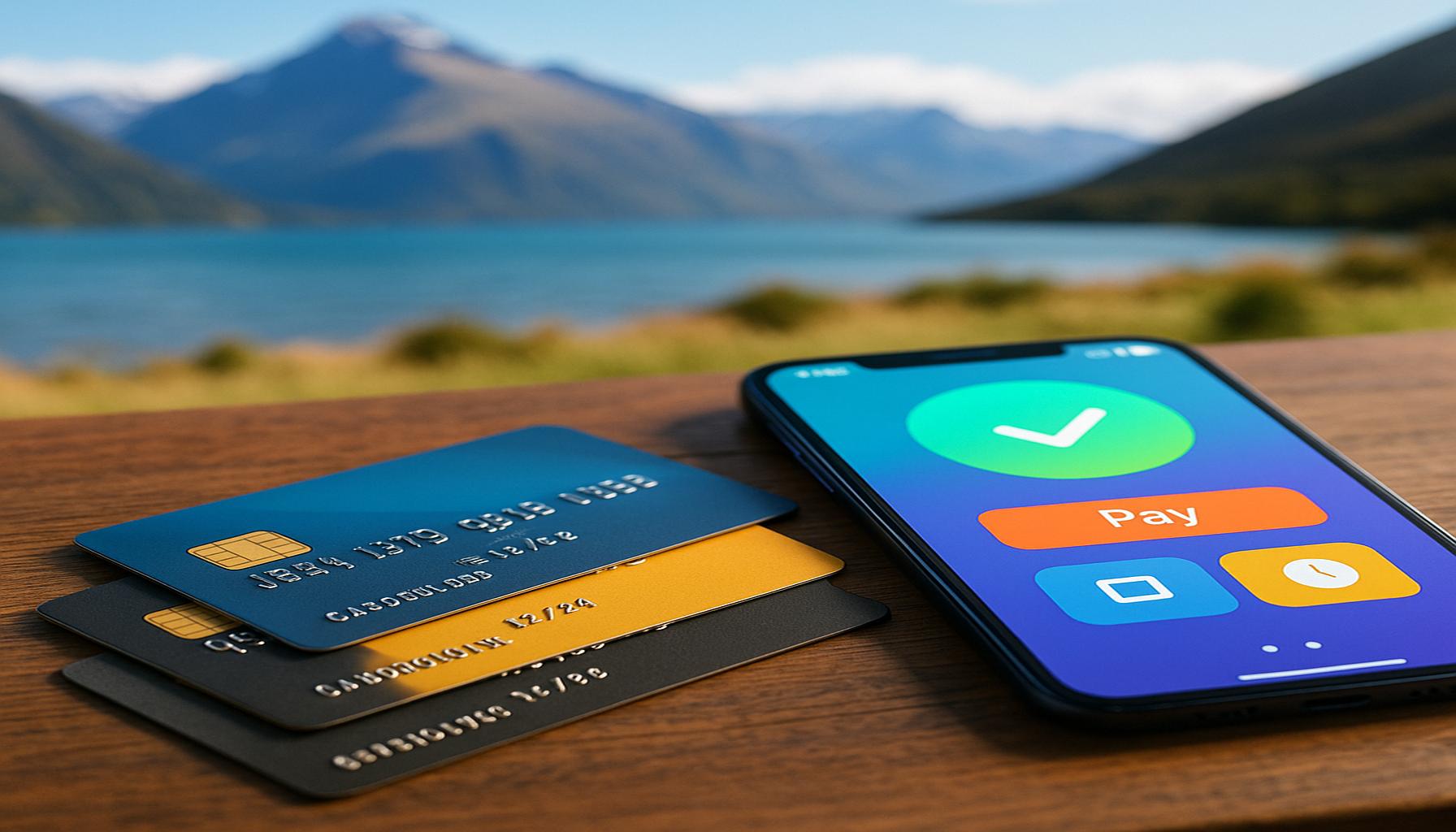
Evaluating Financial Tools for Future Growth
The financial landscape in New Zealand is undergoing significant transformation, largely due to technological advancements and changing consumer behaviours. As a result, making informed decisions between credit cards and digital payment alternatives has become more critical than ever. Understanding how these tools can align with your financial goals is essential for long-term success.
Exploring Credit Cards
Credit cards remain a popular choice for many New Zealanders due to their wide acceptance across various merchants, both online and in-store. They offer benefits such as rewards programs, which can provide cashback, travel points, or discounts on future purchases. For instance, a credit card with a strong rewards program may allow you to earn points on everyday purchases, leading to free flights or hotel stays over time.
However, it’s essential to consider the potential pitfalls associated with credit card use, including high-interest rates if balances are not paid off in full each month. This can lead to accumulating debt, which negatively affects your financial health. Additionally, over-reliance on credit cards can promote poor spending habits and can lead to financial strain if not managed wisely. Thus, understanding your own spending habits and paying attention to interest charges will help in making the most out of credit cards.
A Look at Digital Payment Alternatives
On the other hand, digital payment alternatives like mobile wallets, contactless cards, and online payment services offer a level of convenience that appeals to many, particularly younger consumers. These options typically feature lower transaction fees and can make budgeting simpler. For instance, many digital wallets allow users to track their spending in real-time, assisting with maintaining discipline and oversight in finances.
Moreover, digital payments do not usually involve the same risk of incurring debt as credit cards, especially if linked to a bank account or preloaded with a set amount of money. This promotes a more controlled approach to spending, which can result in better financial management over time.
Making Strategic Financial Choices
The impact of your financial choices reverberates through your daily life and shapes your long-term financial health. For instance, regularly opting for digital payment methods while reserving credit cards for emergencies can create a balanced financial strategy that mitigates debt while allowing for rewards accumulation where appropriate.
In conclusion, the decision between credit cards and digital payment solutions should be tailored to align with your long-term financial aspirations. By comprehensively assessing your options and understanding the distinct advantages and disadvantages, you will empower yourself to make strategic choices that contribute positively to your financial future. In doing so, you will not only enhance your current spending habits but also pave the way for better investment opportunities and overall financial success in the future.
SEE ALSO: Click here to read another article
Assessing Benefits and Risks: Credit Cards vs. Digital Payments
As consumers in New Zealand evaluate their payment options, it’s critical to deeply understand both credit cards and digital payment alternatives, considering not only immediate convenience but also long-term financial implications. Each option comes with a unique set of benefits and challenges that can significantly impact a user’s financial trajectory.
Benefits of Credit Cards
Credit cards provide a robust framework for managing purchases, particularly due to their extensive acceptance among merchants. The flexibility associated with credit cards allows users to make significant purchases even if they do not have the full amount available upfront, thereby enhancing consumer purchasing power. Additionally, many credit cards offer introductory 0% interest rates for a specified period, allowing new users to finance their purchases without incurring interest right away. This can be advantageous when managed well, especially for larger expenses such as travel, electronics, or unexpected emergencies.
Furthermore, the value of rewards programs cannot be overlooked. New Zealand-based credit cards often come with enticing rewards such as loyalty points, insurance coverage, and travel benefits. This creates an opportunity for savvy consumers to leverage their credit card usage to gain perks, provided they consistently pay off their balances in full and on time. To illustrate, a user who accumulates a substantial number of rewards points can enjoy free international flights or upgrades, enhancing the value obtained from regular spending.
Challenges of Credit Cards
Despite their advantages, credit cards carry inherent risks that require careful consideration. One of the primary dangers is the potential for high-interest rates on unpaid balances, which can quickly lead to escalating debt if not managed diligently. In fact, many consumers in New Zealand find themselves burdened by credit card debt, impacting their overall financial stability and credit score. Understanding the fine print of interest rates and fees is paramount to maintaining a healthy financial profile.
Understanding Digital Payment Alternatives
In contrast, digital payment alternatives are gaining traction in the market, especially among younger consumers who prioritise ease of use and transparency over traditional credit products. Digital wallets, for instance, allow users to link their bank accounts for seamless transactions without the risk of incurring debt since they operate on a pay-now basis rather than credit. This feature leads to more mindful spending, helping consumers stay within their budget and making it easier to manage personal finances.
Moreover, the security features that come with many digital payment systems are appealing as they often provide enhanced fraud protection compared to physical cards. Features such as biometric authentication and the ability to lock accounts instantly provide a sense of safety for users, reassuring them against identity theft and unauthorized transactions.
- Convenience: Instant transactions and easy tracking of spending.
- Lower costs: Digital payments typically come with fewer fees compared to credit cards.
- Budgeting tools: Many apps offer insights into spending habits, helping consumers manage finances better.
- Debt-free approach: Encourages users to spend within their limits, reducing financial strain.
As New Zealanders consider their financial options, they must weigh the benefits of credit cards against the advantages of digital payment methods. Understanding the long-term implications of each choice is crucial for developing sound financial habits that sustainably support future financial goals.
CHECK OUT: Click here to explore more
Navigating Financial Planning: The Strategic Implications of Each Payment Method
When selecting between credit cards and digital payment alternatives, long-term financial planning is paramount. Understanding how each option impacts spending habits, savings potential, and future investments can significantly influence overall financial health.
Strategic Use of Credit Cards
For many New Zealanders, credit cards can be a powerful tool for building a positive credit history, which is essential for future financing opportunities, such as loans for homes or cars. By using credit cards responsibly—keeping balances low and making timely payments—consumers can enhance their credit scores over time. This creates leverage for more significant borrowing at lower interest rates in the future.
However, it is crucial to employ a strategic approach to credit usage. Consumers should assess their lifestyle and monthly expenses to ensure that they can effectively manage their payments. Setting up automatic payments or alerts can help prevent missed deadlines and unnecessary fees. Additionally, budgeting software can track credit card spending, allowing users to avoid overspending and accumulating unmanageable debt.
Embracing Digital Payments for Financial Agility
Digital payment alternatives offer a new level of financial agility that caters to the needs of today’s consumers. With real-time tracking functionalities, users can instantly monitor their spending, making it easier to adjust their budgets as necessary. The ability to instantly send or receive money through apps like PayPal or local platforms like Afterpay can streamline transactions that would typically take longer with traditional banking methods.
Utilising digital payments can also facilitate better savings habits. Many digital wallets integrate features that round up purchases to the nearest dollar and deposit the difference into savings accounts. This may aid users in developing a habit of saving without even realising it, ultimately steering consumers toward achieving their long-term investment goals.
Evaluating Costs Over Time
As consumers consider the costs associated with both credit cards and digital payment alternatives, it’s essential to examine any potential fees and interest rates over time. Credit cards often come with annual fees and charges for late payments, which can accumulate if not managed wisely. Users should carefully weigh the reasonable nature of rewards and benefits against any additional costs incurred.
On the other hand, while many digital payment options may seem more straightforward and often free from transaction fees, it is critical to also consider hidden costs. Some services may charge for premium features or instant transfers. Understanding these aspects can help consumers make informed decisions that ultimately align with their financial goals.
Investment in Financial Literacy
Regardless of the payment method selected, the importance of financial literacy cannot be overstated. Educating oneself about the intricacies of credit cards and digital payments fosters a habit of informed decision-making that extends well beyond mere spending. New Zealanders can utilise online resources, workshops, or financial advisors to enhance their understanding of effective financial management strategies.
As consumers increasingly become savvy about their financial choices, they gain the power to shape their financial futures positively. Whether through credit cards that can aid in credit building or digital payments that promote disciplined spending, the path they choose today will influence their opportunities tomorrow.
SEE ALSO: Click here to read another article
Final Thoughts: Weighing Choices for a Prosperous Financial Future
As consumers in New Zealand assess their payment preferences, the comparison between credit cards and digital payment alternatives reveals distinct advantages and potential pitfalls for each method. Credit cards remain a compelling choice for those keen on building a positive credit history, allowing greater access to financing for major purchases in the future. With responsible management and strategic use, credit cards can pave the way for low-interest borrowing opportunities that are critical in times of need.
Conversely, digital payment alternatives offer a modernised approach to financial transactions, prioritising agility and immediate oversight of expenses. These platforms empower users to make informed choices quickly, which ultimately fosters habits of disciplined spending and savings. The integration of features like automatic savings can cultivate a strong foundation toward achieving financial goals over time.
Ultimately, the choice between credit cards and digital payments should not be made hastily. Evaluating personal financial situations, understanding the implications of fees and interest rates, and prioritising financial literacy are essential steps in making an informed decision. Each option holds the potential to impact long-term financial results significantly, reinforcing the importance of a strategic approach to money management.
As New Zealanders navigate the evolving landscape of financial tools, making mindful decisions today will not only influence individual financial health but also contribute positively to future financial opportunities. Whether prioritising the benefits of credit or the efficiency of digital payments, consumers hold the key to shaping their financial destinies.

Linda Carter
Linda Carter is a writer and expert known for producing clear, engaging, and easy-to-understand content. With solid experience guiding people in achieving their goals, she shares valuable insights and practical guidance. Her mission is to support readers in making informed choices and achieving significant progress.


