How to calculate the ideal amount for your emergency fund: Practical tips for New Zealanders
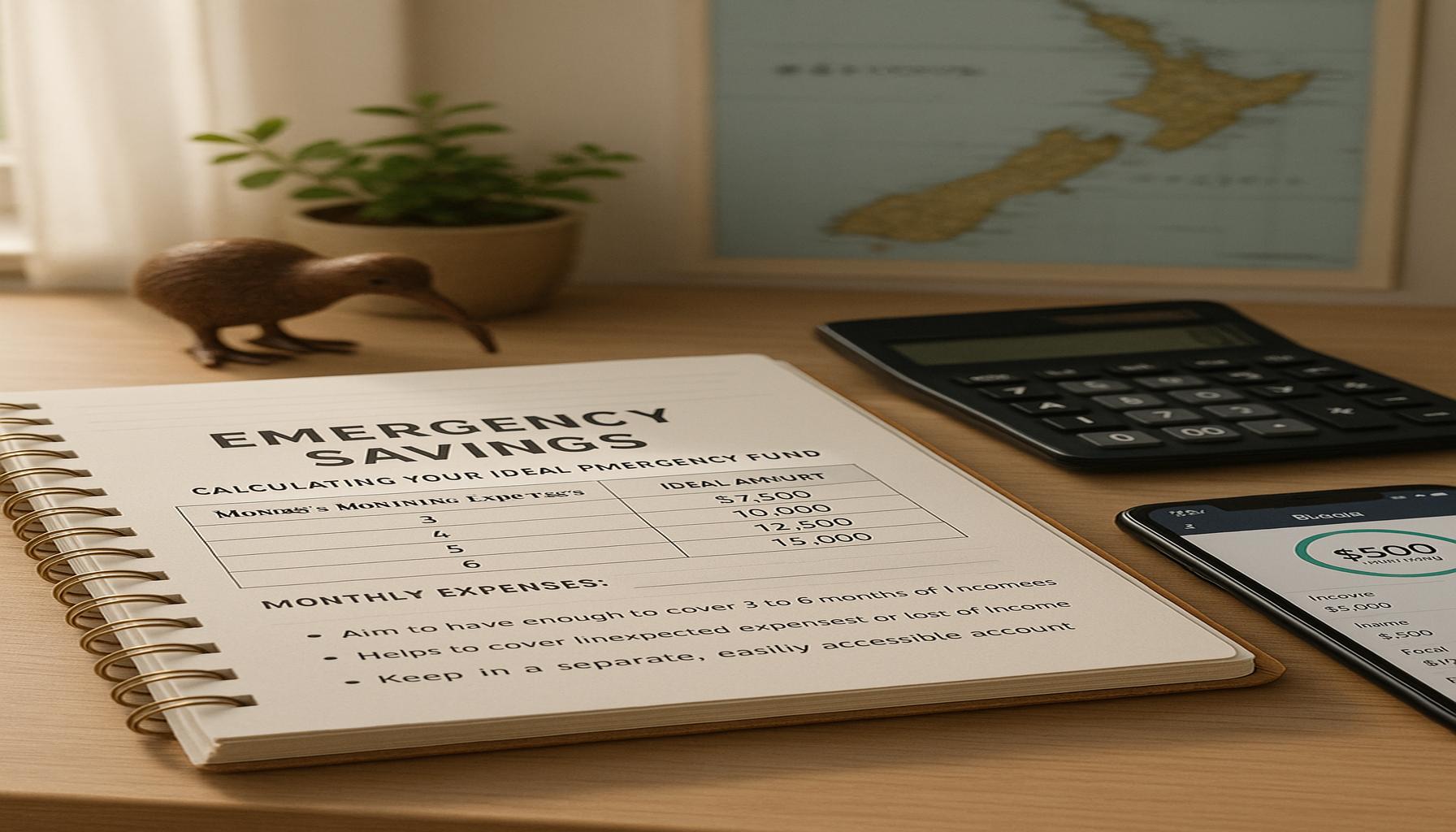
Understanding the Importance of an Emergency Fund
In a world that presents constant uncertainties, establishing an emergency fund is an essential component of sound financial planning. An emergency fund serves as a financial buffer, offering peace of mind and the ability to navigate unexpected situations without derailing your broader financial goals. This proactive approach can significantly lessen the stress associated with myriads of unforeseen financial challenges that life can throw your way.
Key Considerations for Establishing Your Emergency Fund
Determining the right amount for your emergency fund involves careful evaluation of several critical factors that are unique to your individual circumstances.
- Your monthly expenses: Begin by calculating your essential living costs, including rent or mortgage payments, utility bills, groceries, transportation, and any recurring obligations like student loans or insurance premiums. It is advisable to aim for a fund that covers at least three to six months of these expenses, offering a sufficient safety net to weather financial storms.
- Your income stability: Assess the security of your job or other income sources. If your income is stable and predictable, a smaller emergency fund may suffice, while those in unstable employment situations or freelancing may benefit from a larger reserve to accommodate potential income fluctuations.
- Your personal circumstances: Consider factors such as your family responsibilities, health conditions, and other personal elements that can influence your financial needs. For example, a single parent may want to have a more substantial fund to cover additional childcare or medical expenses that could arise.
The Cost of Living in New Zealand
For individuals residing in New Zealand, keeping abreast of local economic conditions is vital when calculating the size of your emergency fund. Cities like Auckland and Wellington have been experiencing rising living costs, which can directly impact your financial planning. Thus, your fund should be adequately provisioned for key unexpected expenditures, including:
- Emergency repairs: This can include urgent home repairs or vehicle malfunctions, both of which can be costly and require immediate financial resources.
- Unexpected medical bills: Health issues can present significant financial burdens, particularly if they require unwelcome visits to the doctor or hospital that are not adequately covered by insurance.
- Job loss or reduced income: An emergency fund is crucial in buffering against the impact of sudden unemployment, providing you with leverage while you seek new employment or adjust to a reduced income stream.
Taking Proactive Steps Towards Financial Security
By thoroughly calculating the ideal amount for your emergency fund based on personal expenses, income stability, and the cost of living in New Zealand, you empower yourself to make informed financial choices today that can lead to a secure tomorrow. Start by setting aside a monthly contribution towards this fund, and consider automating these transfers to ensure consistency. Remember that an emergency fund not only secures immediate financial stability but also provides the freedom to invest in long-term financial opportunities without the fear of financial instability looming overhead.
In conclusion, recognizing the necessity of an emergency fund and taking the steps to establish and maintain it, you create a foundation for better financial health. This approach enables you to face future uncertainties with confidence and fosters a financially secure environment for yourself and your loved ones.
CHECK OUT: Click here to explore more
Assessing Your Financial Landscape
Establishing an appropriate emergency fund begins with a thorough assessment of your financial landscape. This involves taking a close look at not only your current income and expenses but also how these factors can fluctuate over time. A carefully crafted financial plan is paramount, allowing you to identify potential risks and make adjustments accordingly.
Evaluating Your Monthly Expenses
To calculate your ideal emergency fund, start with an accurate overview of your monthly expenses. List all essential living costs that are integral to your daily life, including:
- Housing Costs: Include rent or mortgage payments, rates, and any associated fees.
- Utilities: Factor in electricity, water, internet, and phone bills.
- Groceries: Consider your average monthly spend on food, personal items, and household supplies.
- Transportation: Account for fuel, public transport expenses, and vehicle maintenance.
- Insurance Premiums: Include health, life, car, and home insurance rates.
By summing up these costs, you can establish a baseline for your budgeting. With this clear picture, aim to build an emergency fund that covers at least three to six months of these essential expenses, which will provide a financial buffer during a crisis.
Understanding Income Variability
Next, reflect on the stability of your income. If you work in a stable job with a consistent salary, the lower end of the recommended range may suffice. However, for those whose income is subject to fluctuations—such as freelancers or self-employed individuals—it’s wise to consider a larger emergency fund. This can offer extra peace of mind as you navigate potential gaps in earnings.
Taking Personal Circumstances into Account
Your individual situation can heavily influence how much you need in your emergency fund. For instance, a single parent or someone responsible for dependents may require a more substantial fund to cover unexpected expenses, such as childcare or additional health care. Similarly, if you have ongoing health challenges that could necessitate expensive medical intervention, adjusting your fund to account for these risks is crucial.
The Role of Investments and Financial Goals
As you think about your emergency fund, it’s important to also consider your broader financial goals and any investments you may be pursuing. Having a robust emergency fund allows you to take calculated risks with investments while securing your day-to-day life. This dual focus ensures that you’re not forced to liquidate assets or disrupt your investment strategy in response to unforeseen financial strains.
Setting aside funds for emergencies, contributes to a robust financial framework that not only protects you in adverse situations but also empowers you to seize future opportunities. By prioritising a strong emergency fund, you’re making a strategic decision for long-term financial stability.
CHECK OUT: Click here to explore more
Setting Clear Savings Targets
A critical aspect of establishing your emergency fund is setting clear savings targets. Rather than merely choosing an arbitrary number, your savings goals should be informed by the assessments completed previously. Think of your emergency fund as a proactive safety net that evolves alongside your financial circumstances.
Defining the Target Amount
Your ultimate target amount should reflect not just your monthly expenses but also any potential unforeseen circumstances that may arise. For instance, if you own a house, consider the possibility of significant repairs or maintenance that may occur unexpectedly. For New Zealand homeowners, this could mean preparing for roof inspections, earthquake-proofing, or even plumbing issues that tend to arise without warning.
Having a number in mind will provide you with a tangible goal, making it easier to plan how much you need to save each month. A great benchmark to consider is to start with the three to six months worth of living expenses identified earlier. As you build your fund, reassess periodically whether this target still aligns with your current situation.
Setting a Savings Timeline
After defining your target amount, it’s crucial to develop a savings timeline. Consider how long you would like to take to fully fund your emergency savings. Breaking this total down into monthly contributions can help you stay motivated and track your progress. For example, if your target amount is NZD 15,000 and you aim to reach it within two years, you would need to save approximately NZD 625 a month.
Utilising budgeting tools available in New Zealand can assist you in sticking to this timeline. Many banks offer mobile apps that help you track your savings goals while providing insights to cut unnecessary expenses, enabling you to direct more funds toward your emergency savings fund.
Automatic Savings Options
To make building your emergency fund simpler, consider using automatic savings options. Most banks in New Zealand offer features that allow you to automatically transfer a set amount of money to a designated savings account each month. This ‘set and forget’ approach helps eliminate the temptation to spend that money elsewhere and keeps your savings growth consistent over time.
Additionally, you may want to create a high-interest savings account specifically purposed for emergencies. These accounts can not only safeguard your funds but also allow them to grow slightly through interest, further bolstering your financial cushion.
Emphasising Flexibility
While it’s important to remain disciplined in your savings journey, it’s equally important to maintain a level of flexibility. Life is unpredictable and your financial situation may change due to various factors such as job changes, family dynamics, or unexpected expenses. Regularly revisit your emergency fund target and savings plan, adjusting them as necessary to ensure they remain applicable to your current circumstances.
Being adaptable will enable you to stay in control of your finances and adjust your emergency fund to align with your evolving needs. This proactive approach to financial planning ensures you will be better equipped to handle emergencies as they arise, ultimately securing not only your financial future but also your peace of mind. With the right strategies in place, your emergency fund can grow and provide the necessary buffer against life’s surprises.
SEE ALSO: Click here to read another article
Conclusion
Establishing a healthy emergency fund is a vital component of your overall financial strategy as a New Zealander. By following the steps outlined in this article, you can develop a targeted approach that not only helps you set a realistic savings goal but also equips you to handle life’s uncertainties with confidence. Understanding your expenses, setting a clear target, and implementing a structured savings timeline are essential in achieving your financial aspirations.
Furthermore, embracing automatic savings options ensures that you remain committed to your goal without the distraction of daily spending temptations. The importance of flexibility cannot be overstated; as your life changes, so too should your emergency fund’s target and savings strategies. Regularly reviewing your plan allows you to adapt to new circumstances and continuously reflect on your financial stability.
In a world where unforeseen events such as health issues or economic downturns can occur at any moment, being proactive today will provide a buffer against future challenges. Investing in a robust emergency fund isn’t merely about saving money; it’s about investing in peace of mind and long-term security for you and your family. As you build your financial safety net, remember that every small step counts towards a more secure future, empowering you to face whatever life throws your way.

Linda Carter
Linda Carter is a writer and expert known for producing clear, engaging, and easy-to-understand content. With solid experience guiding people in achieving their goals, she shares valuable insights and practical guidance. Her mission is to support readers in making informed choices and achieving significant progress.