How to Choose the Ideal Credit Card for Your Financial Needs in New Zealand
The Importance of Credit Card Selection
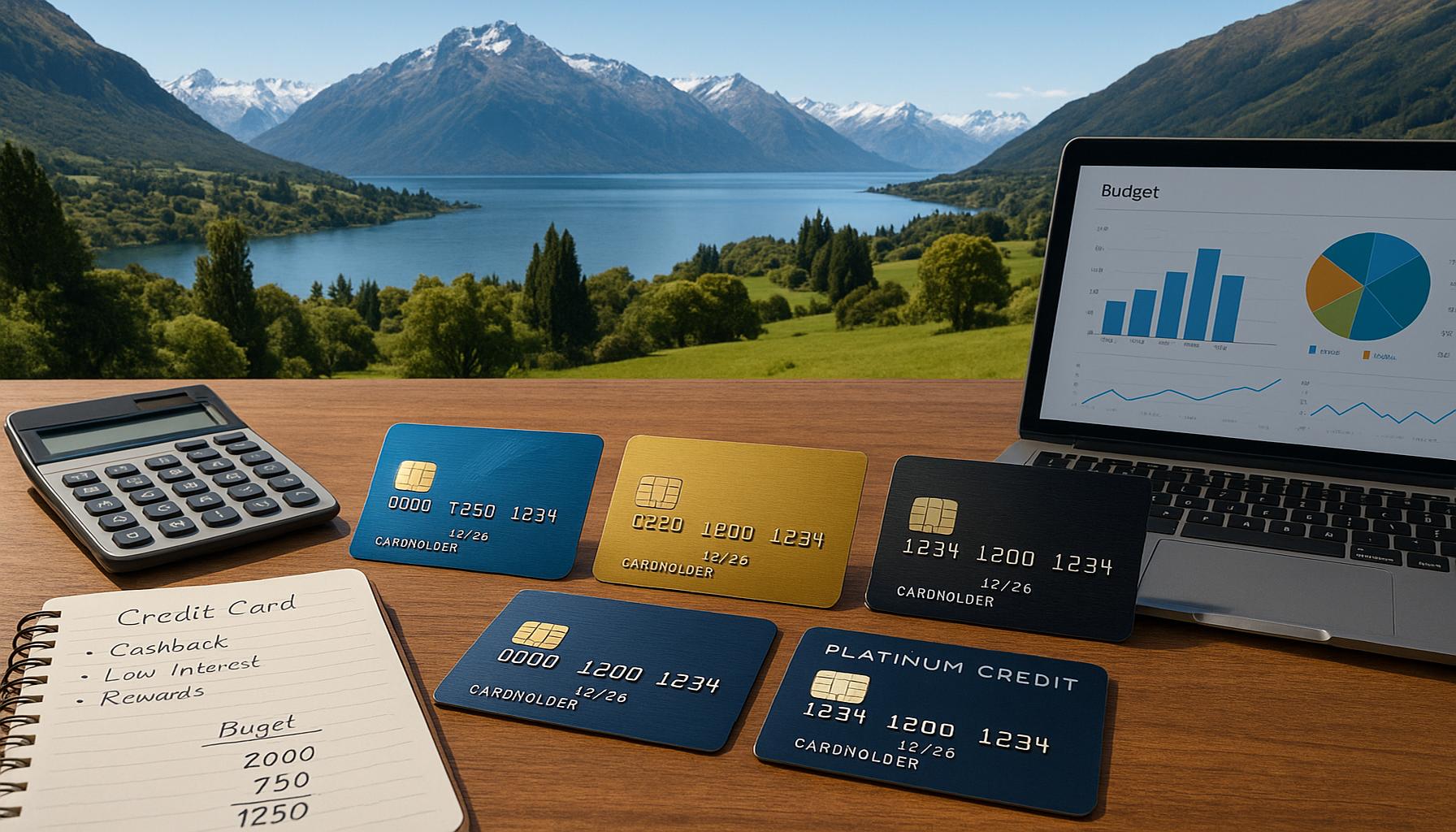
In today’s complex financial landscape, making informed choices about credit cards is essential for establishing a stable financial future. With a myriad of options available in New Zealand, each with varying features, understanding how to match a credit card’s capabilities with your unique financial circumstances can lead to significant benefits.
Key Considerations When Choosing a Credit Card
When embarking on the journey of selecting a credit card, several factors must be evaluated meticulously:
- Interest Rates: The interest rate on your credit card can substantially affect your financial health, especially if you carry a balance. For example, if your card has a high-interest rate of 20% and you typically carry $1,000 in debt, you could be paying $200 annually in interest alone. Thus, it’s important to compare rates and seek cards with lower annual percentage rates (APRs) if you might carry a balance.
- Fees: Credit cards often come with various fees, such as annual fees, foreign transaction fees, and late payment fees. In New Zealand, consumers should scrutinize the terms and conditions of each card. A card with a $100 annual fee may not be worth it if the rewards do not outweigh the cost. Finding cards with minimal or no fees can be beneficial, particularly for those on a tighter budget.
- Rewards Programs: Many credit cards provide rewards through points, airline miles, or cashback on purchases. For frequent travellers, a card that offers air miles could lead to savings on future trips. Conversely, if most of your spending is on everyday purchases, a card with a cashback feature or supermarket discounts may be more advantageous.
Aligning with Long-term Financial Strategy
Choosing the right credit card should serve a broader purpose within your financial strategy. Understanding how your credit card fits into your long-term goals—be it saving, investing, or managing expenses—can be a game changer. For instance, if you’re saving for a house deposit, a credit card that offers no interest on purchases for a defined period can help alleviate immediate financial pressures while you stack up savings.
Additionally, it’s prudent to evaluate how well a credit card complements your lifestyle. Reflect on the following:
- Will you make the most of the benefits offered by this card, such as travel insurance or purchase protection?
- Do you frequently travel or make significant purchases that could benefit from added rewards?
- Is flexibility more critical for you than accumulating rewards, especially if your financial situation might change?
Ultimately, the right credit card should serve as a tool for enhancing your financial standing rather than becoming a burden. By carefully considering each element, you can choose a card that not only offers immediate perks but also contributes to a robust and positive financial pathway for years to come.
SEE ALSO: Click here to read another article
Understanding Your Spending Habits
Before diving into specific credit card options, it’s crucial to assess your personal spending habits and financial behaviour. Understanding where and how you spend your money can significantly influence which credit card is the best fit for you. For instance, if you often spend on groceries, your ideal card might be one that offers high cashback or discounts on supermarket purchases. Conversely, if international travel is a regular part of your life, a card with no foreign transaction fees and travel rewards becomes essential.
Assessing Your Monthly Expenses
Begin by categorising your expenses. This exercise will provide insight into your spending patterns and help you choose a card that maximises benefits tailored to your lifestyle:
- Essentials: This includes expenses such as groceries, utilities, and bills. Identifying how much you allocate to essentials can lead you to a card with rewarding features for everyday purchases.
- Discretionary Spending: Consider your spending on entertainment, dining out, or hobbies. Some cards offer cashback for dining or points for booking experiences that align with your interests.
- Travel and Holidays: If you frequently travel or take holidays, calculating your typical expenditure can help you determine if a travel rewards card or one that offers traveller protection is beneficial.
As you collate these details, consider tools such as budgeting apps or spreadsheets to help visualise your spending. This insight will not only guide your credit card selection but also inform your overall financial planning strategy.
The Impact of Your Credit Score
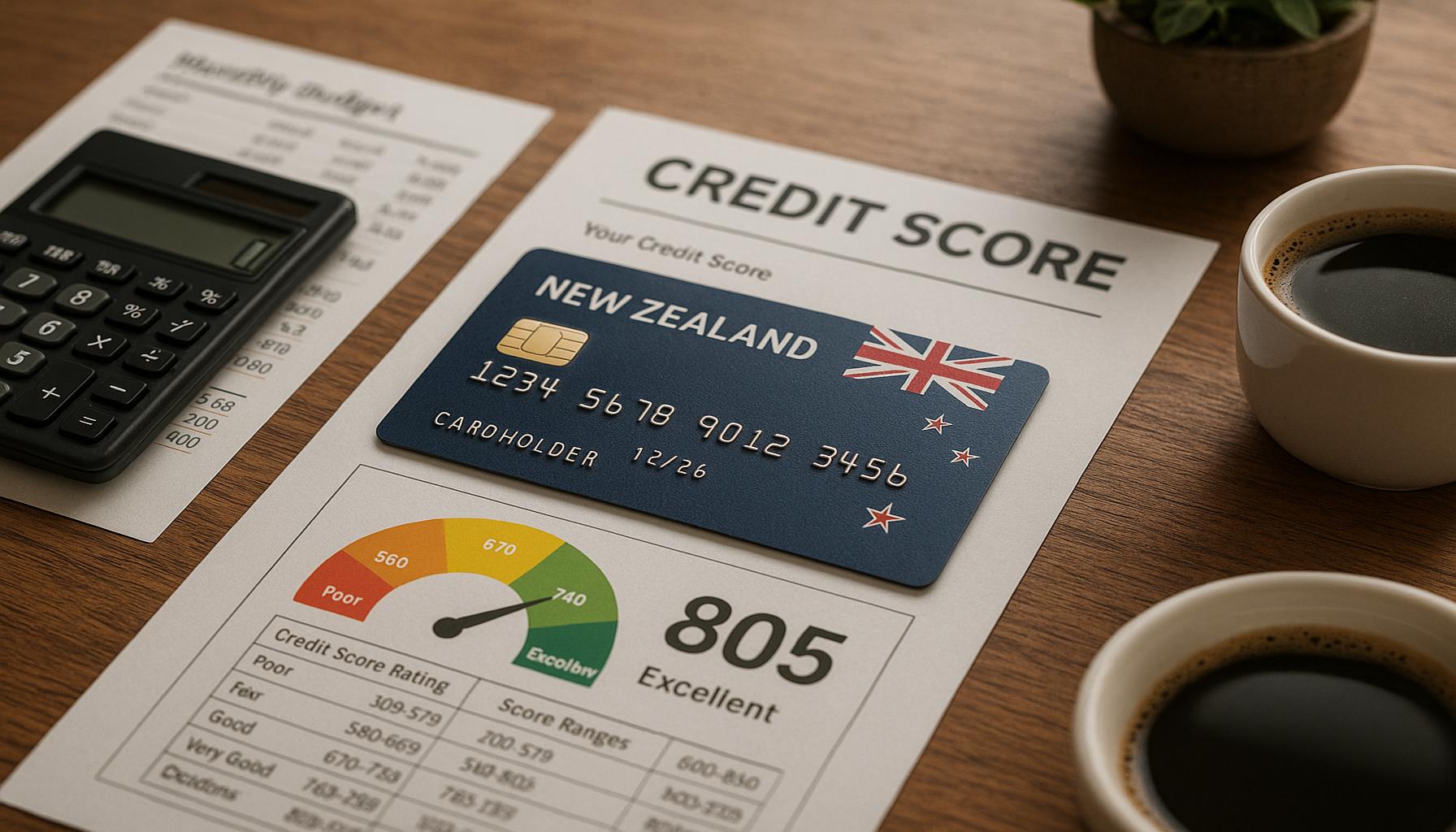
Your credit score is another pivotal factor when considering a credit card. In New Zealand, this score can affect your eligibility for certain cards and the interest rates offered. A higher credit score typically means lower rates and better terms, which can lead to substantial savings over time.
Before applying for a credit card, it’s advantageous to review your credit report. Familiarising yourself with your score allows you to strategically apply for cards that you are likely to be approved for, ensuring that your applications do not negatively impact your credit history. Additionally, maintaining good credit hygiene—such as making payments on time and keeping debts low—can create opportunities for even better financial products in the future.
In conclusion, understanding your spending habits and credit score lays a strong foundation for choosing the right credit card. By aligning a card’s benefits with your financial lifestyle, you can not only enhance your current financial situation but also pave the way for a more secure future.
CHECK OUT: Click here to explore more
Evaluating Credit Card Features and Rewards
Once you have a clear understanding of your spending habits and credit score, the next step is to evaluate the specific features and rewards associated with various credit cards. Different cards offer unique rewards structures, interest rates, and additional benefits that can significantly influence your financial health over time. It’s important to not only focus on immediate rewards but on how these features align with your long-term financial goals.
Types of Rewards
Credit card rewards typically fall into several categories. Knowing which type you most value will help narrow down your options:
- Cashback: Cashback cards provide a percentage of your spending back as cash. This is often best for those who prefer immediate rewards and want to see a direct reduction in their costs. Look out for cards that offer higher cashback rates on the categories you spend on the most.
- Points Programs: Some credit cards reward you with points for every dollar spent, which can then be redeemed for travel, merchandise, or experiences. If you regularly travel or shop with specific brands, consider a card that aligns with those interests.
- Introductory Offers: Many credit cards in New Zealand come with enticing sign-up bonuses. These can include bonus rewards points or cashback if you meet a minimum spending threshold during the initial few months. While attractive, ensure that any required spending aligns with your normal budget to avoid unnecessary debt.
Understanding Fees and Interest Rates
Another significant aspect of choosing the right credit card is comprehending the associated fees and interest rates. Even a card with great rewards can turn out to be costly if it comes with high annual fees or interest rates. Here are some aspects to pay attention to:
- Annual Fees: Some credit cards charge an annual fee that can diminish the value of any rewards earned. Compare these fees against the rewards you are likely to earn; sometimes, a no-fee card may be more advantageous in the long run.
- Interest Rates: Understanding the interest rates on purchases, cash advances, and balance transfers is crucial. If you carry a balance, opting for a card with a lower interest rate can save you a significant amount in interest payments.
- Foreign Transaction Fees: If you plan to use your credit card overseas, look for cards that waive foreign transaction fees. This can lead to substantial savings while travelling, especially if you frequently travel to countries like Australia or the UK.
Long-term Financial Planning
Finally, choosing a credit card is not solely about the immediate reward but also about how it fits into your long-term financial plans. Consider the future implications of your choice:
- Building Credit History: Using your credit card responsibly can bolster your credit score over time. Make sure to pay on time, keep your credit utilisation low, and avoid maxing out your credit limit, which will both support your financial goals and provide investment opportunities in the future.
- Flexibility for Life Changes: Your financial situation might change due to a job change, getting married, or starting a family. Select a credit card that offers flexibility, such as the option to increase your credit limit or access different rewards categories as your spending patterns evolve.
Aligning your credit card choices with a comprehensive financial strategy ensures that today’s decisions do not just serve immediate needs but also contribute to a robust financial foundation for the future. By evaluating the features, fees, and long-term potential of credit cards, you can make informed decisions that amplify both your current and future financial well-being.
CHECK OUT: Click here to explore more
Conclusion
Choosing the ideal credit card is a pivotal decision that impacts your financial landscape both now and in the future. As we’ve explored, the process begins with a deep understanding of your spending habits and credit profile, followed by careful evaluation of the various features and rewards the cards offer. Consider whether cashback, points programs, or introductory offers align with your lifestyle and purchasing preferences.
Moreover, being aware of associated fees and interest rates is crucial. While a card may seem appealing due to its rewards, hidden costs can erode potential savings. As you contemplate your options, examine annual fees, interest rates, and any foreign transaction fees, particularly if travel is in your plans.
Ultimately, the choice of a credit card should integrate seamlessly into your long-term financial strategy. A responsible approach to credit usage not only builds a solid credit history but also lays the groundwork for future investment opportunities. Flexibility for life changes is another vital consideration; your financial needs may evolve, so selecting a card that can adapt to those changes can provide significant advantages down the line.
In essence, taking the time to assess these factors judiciously will empower you to make a well-informed decision that fosters both immediate rewards and supports your future financial goals. Remember, today’s choices can have lasting effects, and with a strategic mindset, you can turn your credit card into a valuable tool for financial success.

Linda Carter
Linda Carter is a writer and expert known for producing clear, engaging, and easy-to-understand content. With solid experience guiding people in achieving their goals, she shares valuable insights and practical guidance. Her mission is to support readers in making informed choices and achieving significant progress.