

The relationship between emergency funds and financial mental health: How being prepared can reduce stress
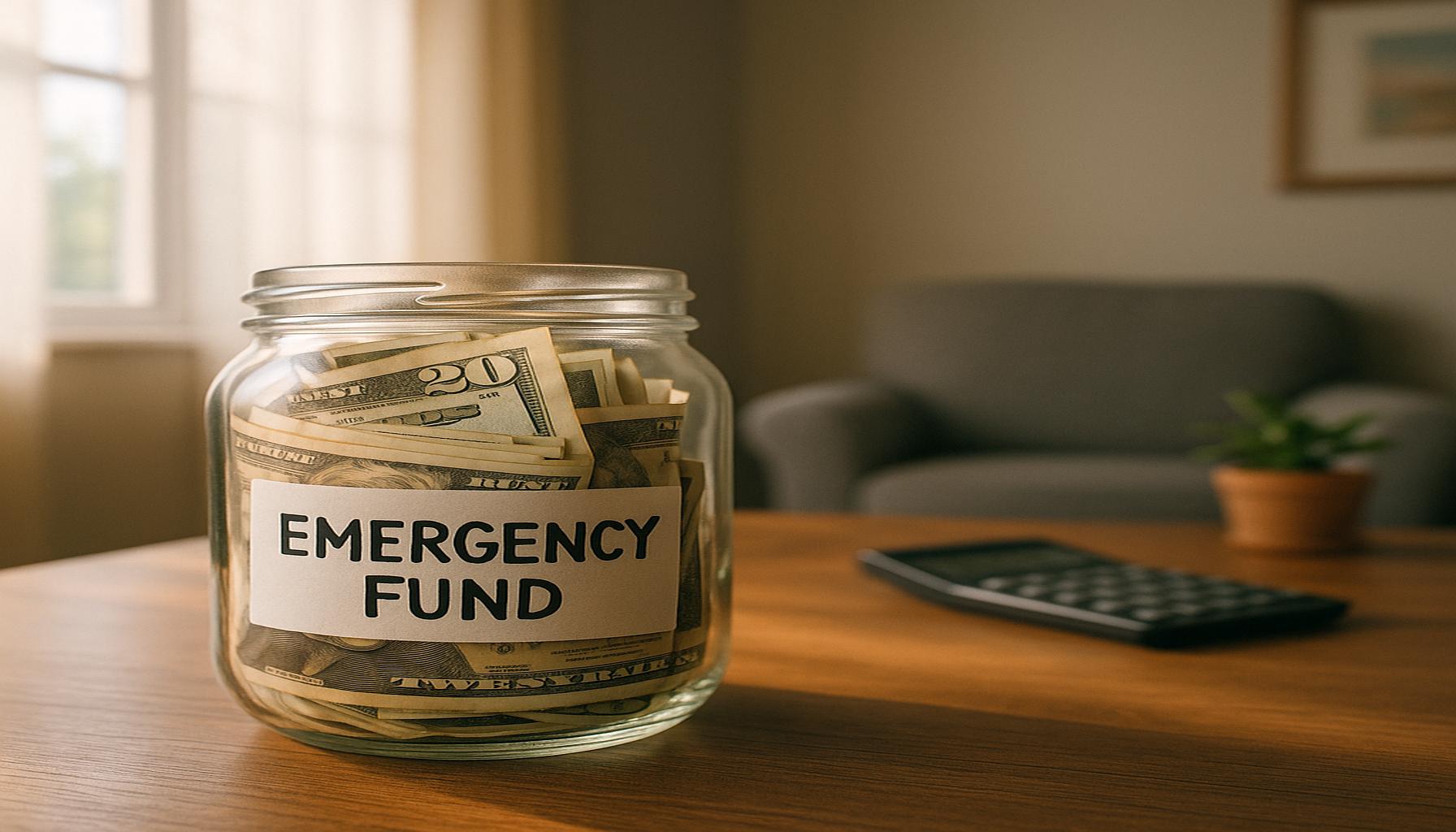
The Importance of Building an Emergency Fund
Financial stress can weigh heavily on individuals and families, especially if they are unprepared for unexpected expenses. Creating an emergency fund serves as a crucial safety net, alleviating anxiety and promoting better financial mental health. Unexpected life events, such as job loss, medical emergencies, or urgent home repairs, can occur at any moment and derail even the best-laid financial plans.
Being prepared allows you to focus on your long-term goals rather than succumbing to the stress of immediate financial concerns. This mindset shifts your focus from a scarcity mentality to one rooted in abundance and stability. By cultivating an emergency fund, you are taking proactive measures to safeguard your financial future. Below are some key benefits of having an emergency fund:
- Reduces anxiety: Knowing you have a cushion for emergencies can alleviate stress. In today’s fast-paced world, the uncertainty of financial burdens can lead to anxiety and indecision regarding expenditures. The peace of mind that comes from having savings set aside means that whenever you face an unexpected bill, such as a car repair or urgent medical expense, you can address it efficiently without panic.
- Increases confidence: A solid financial backup empowers you to make better decisions. When you have an emergency fund, you are less likely to make impulsive financial choices, such as taking on high-interest debt. This financial confidence fosters a longer-term mindset, allowing you to pursue investments or opportunities that align with your financial goals, whether it’s saving for a home deposit or planning for retirement.
- Enhances stability: An emergency fund helps you maintain your regular financial commitments. For example, in New Zealand’s fluctuating economy, expenses such as rent and utilities can increase unexpectedly. An emergency fund can act as a buffer during times of financial uncertainty, allowing you to keep current with your responsibilities while you work on restoring your income or stabilizing your finances.
In New Zealand, with the cost of living continually changing and unexpected events occurring, establishing an emergency fund is not merely wise—it’s essential for long-term financial resilience. The choices you make today regarding your finances can have profound effects on your future stability. Small contributions to your emergency fund, even when they seem insignificant, can accumulate over time and result in substantial savings.
Taking steps to build and maintain your emergency fund is an investment in both your financial security and mental well-being. By prioritizing your emergency savings, you set the foundation for a more secure and less stressful financial future. Consider setting a monthly goal to contribute to your emergency fund, such as starting with a target of three to six months’ worth of essential living expenses. This practice not only strengthens your financial position but also enhances your ability to face life’s uncertainties with confidence and resilience.
SEE ALSO: Click here to read another article
The Link Between Emergency Funds and Financial Well-Being
Establishing an emergency fund is more than just a financial strategy; it is a pivotal component of overall financial mental health. Research shows that individuals with a reserve of funds specifically allocated for emergencies experience lower levels of stress and anxiety related to finances. This can be attributed to the sense of security that an emergency fund provides. When you know you have money set aside for unforeseen circumstances, you can approach daily financial decisions with greater clarity and calmness.
Building an emergency fund encourages proactive financial planning, allowing you to navigate life’s uncertainties with a well-thought-out strategy. For instance, instead of waiting until a crisis arises and then scrambling to find solutions—such as taking on high-interest loans or incurring credit card debt—you can rely on your savings. This fundamental shift not only protects your finances but also fosters long-term mental well-being.
To illustrate this point, let’s explore the potential impacts of financial preparedness:
- Enhanced emotional resilience: Managing financial stress begins with preparation. An emergency fund equips you to handle unexpected events, such as losing a job or facing expensive medical bills, with a greater degree of emotional stability. For New Zealanders, where local job markets can fluctuate and healthcare costs can unexpectedly escalate, having savings designated for emergencies is indispensable.
- Pursuit of long-term goals: When financial worries are alleviated, you can focus more on long-term aspirations such as buying a home or investing in education. An emergency fund not only safeguards you from setbacks but also enables you to allocate more resources toward your future objectives without the constant cloud of financial uncertainty hanging over your head.
- Reducing dependency on debt: The cycle of relying on credit to cover crises often leads to a snowballing effect of debt that can trap individuals in a financial quagmire. By having an emergency fund, you can mitigate this risk and avoid high-interest debts, keeping your financial trajectory more stable and sustainable.
In New Zealand, financial landscapes are constantly evolving, influenced by various factors such as market trends and government policies. Therefore, having an emergency fund acts as a buffer against these external economic challenges, ensuring that you are not entirely dependent on fluctuating conditions. Additionally, small, regular contributions to your emergency savings can lead to significant total over time, reinforcing the habit of saving and equipping you with the confidence needed to handle life’s surprises.
In summary, the relationship between having an emergency fund and maintaining good financial mental health cannot be overstated. As you cultivate your emergency savings, you are not just protecting your finances; you are investing in your peace of mind. This proactive approach empowers you to navigate challenges with resilience and empowers you to focus on building a successful financial future.
CHECK OUT: Click here to explore more
How Emergency Funds Influence Long-Term Financial Decisions
The establishment of an emergency fund not only alleviates immediate financial anxiety but also profoundly impacts long-term financial planning and decision-making. Individuals who have successfully set aside savings for unexpected events often exhibit a more strategic approach to budgeting, investments, and overall financial goal setting. This shift is crucial, especially in the context of the New Zealand economy, where economic conditions can rapidly change.
One significant advantage of maintaining an emergency fund is the freedom it provides to invest. When individuals are financially secure, they are more inclined to explore investment opportunities that can yield higher returns over time. In New Zealand, this may include considering investments in local real estate markets or contributing to managed funds that offer diverse portfolios. Without the panic of impending financial crises, investors can take calculated risks that align with their long-term goals, allowing them to grow their wealth steadily.
Moreover, having an emergency fund encourages individuals to prioritize their financial literacy. Those who feel secure in their financial footing are more likely to seek out information and education regarding investments, retirement planning, and insurance products. This knowledge empowers them to make informed choices, leading to better financial outcomes. By participating in financial workshops or seeking advice from a financial advisor, New Zealanders can enhance their understanding of local investment opportunities and create a robust financial plan that withstands economic fluctuations.
Additionally, an established emergency fund serves to promote greater control over spending habits. When faced with unexpected expenses, many individuals may resort to impulsive financial decisions under pressure. However, with an emergency fund, there’s an inherent buffer that enables a more thoughtful approach. This newfound control translates to smarter spending habits over time, as individuals can differentiate between essential needs and discretionary expenses, thereby aligning their daily practices with their long-term financial objectives.
Another key aspect to consider is how emergency funds can play a pivotal role in facilitating life transitions. For many New Zealanders, significant life events such as marriage, home buying, or starting a family come with substantial financial responsibilities. Those with an emergency fund are better equipped to manage these transitions without debilitating financial stress. They can approach these pursuits with the peace of mind that their foundational financial security is already in place.
Moreover, maintaining an emergency fund also positively impacts your credit score and borrowing capacity. Financial institutions often view a robust emergency fund as a sign of responsible money management, which can lead to more favorable borrowing terms when it comes to mortgages, personal loans, or even credit card interest rates. This long-term financial leverage is essential for those looking to grow their assets and make substantial purchases that contribute to their life goals.
As individuals understand the significance of an emergency fund, they begin to realize that it is more than just a safety net; it’s a launching pad for future financial success. Equipped with this knowledge, Kiwis can better navigate their financial journeys with confidence and intentionality, knowing they have laid the groundwork for both immediate stability and long-term prosperity.
SEE ALSO: Click here to read another article
Conclusion
In conclusion, the connection between emergency funds and financial mental health is profound and multifaceted. Establishing an emergency fund serves not only as a financial cushion but also as a vital tool that promotes emotional well-being and overall resilience in the face of life’s uncertainties. By providing the peace of mind necessary to tackle unexpected expenses, emergency funds significantly reduce financial stress, empowering individuals to make confident decisions in their everyday lives.
Furthermore, having a solid foundation of savings cultivates a proactive mindset towards financial planning, which encourages long-term thinking and strategic investments. With the ability to manage both immediate and future financial responsibilities, New Zealanders can embrace opportunities for growth, whether through property investments or expanding their knowledge in financial literacy. This proactive approach not only enhances their financial security but also leads to healthier spending habits and a greater sense of control over their financial journeys.
As the economic landscape continues to evolve, the importance of an emergency fund becomes even clearer. It equips individuals with the financial leverage necessary for navigating major life transitions, building a strong credit history, and achieving personal ambitions without the burden of financial anxiety. Ultimately, prioritizing the establishment of an emergency fund lays the groundwork for a prosperous and stable future, where individuals can feel empowered to pursue their goals relaxed and focused. In essence, being prepared today preserves financial peace of mind for tomorrow, illustrating that the value of an emergency fund extends far beyond mere dollars and cents.

Linda Carter
Linda Carter is a writer and expert known for producing clear, engaging, and easy-to-understand content. With solid experience guiding people in achieving their goals, she shares valuable insights and practical guidance. Her mission is to support readers in making informed choices and achieving significant progress.


