Strategies for Creating an Efficient Personal Budget in Times of Economic Uncertainty
Understanding Financial Strategies
In an environment where inflation rates fluctuate and job markets evolve, mastering the art of personal budgeting has become vital for financial stability. The implications of today’s financial decisions can have far-reaching consequences, constructing a financial future that either thrives or falters under pressure.
Engaging in strategic financial planning involves not just understanding where your money is, but leveraging it effectively. An organized approach can empower you to make decisions that are not just reactionary but proactively designed to build wealth and security over time. Below, we delve into essential components of a personal budget and elaborate on each aspect:
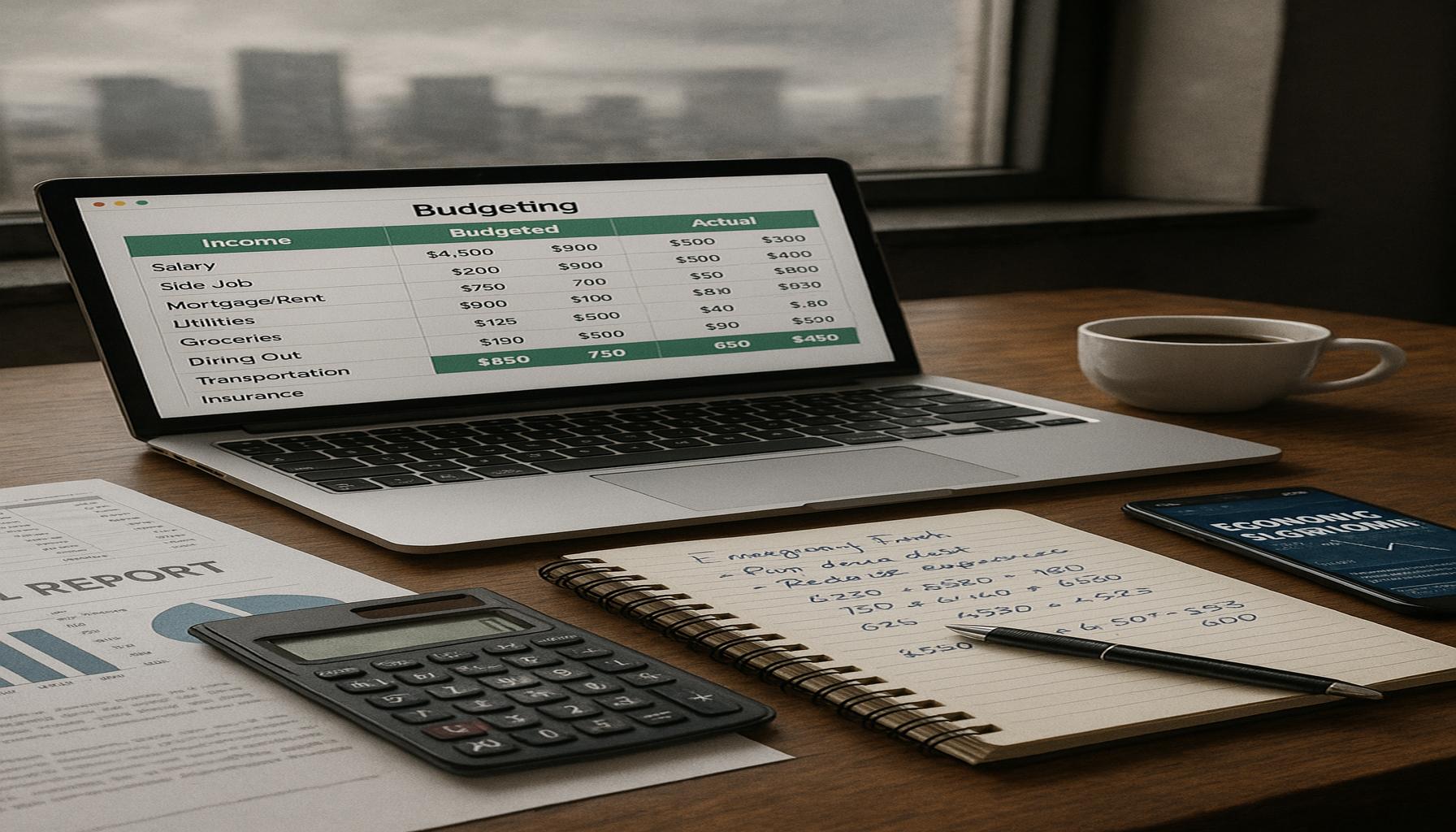
- Assessing Current Financial Status: Begin by compiling a comprehensive overview of your current financial situation. This includes your total income—whether it’s from a salary, freelance work, investments, or other sources. Simultaneously, track monthly expenses, which can be classified into fixed costs (like rent or mortgage) and variable costs (like groceries or entertainment). Finally, keep an eye on any debts or liabilities, ensuring you understand the interest rates and repayment terms associated with each obligation.
- Setting Short and Long-Term Goals: Financial objectives can significantly influence your budgeting process. Short-term goals might include saving for a vacation or paying off a credit card. Long-term goals could involve building an emergency fund, saving for retirement, or buying a home. Defining these objectives provides direction and motivation, serving as a benchmark against which you can measure your progress.
- Creating a Flexible Spending Plan: Based on your financial assessment and goals, create a budget that allocates funds accordingly. It’s crucial to implement a system that allows room for adjustments as life’s circumstances change. For example, if unexpected medical expenses arise, a flexible budget enables you to shift funds from discretionary spending to cover these surprises. This adaptability helps you remain on track without incurring more debt.
Moreover, establishing a proactive approach to budgeting can significantly mitigate stress and bolster financial resilience. By preparing for future investments—such as putting money towards stocks or mutual funds—you enhance your ability to weather financial storms. Consistently contributing to retirement accounts, like a 401(k) or an IRA, is also a smart strategy for long-term wealth building. When you strategically allocate funds to savings and investments, you position yourself to not only survive economic uncertainties but to thrive in them.
As we explore detailed strategies in upcoming sections, remember that the ultimate goal of effective budgeting is to cultivate a sense of security and prosperity. By embracing financial discipline today, you set the stage for a stable and inviting financial future, allowing you to pursue your aspirations confidently—regardless of external economic pressures.
DISCOVER MORE: Click here for tips on choosing a budget-friendly cell phone plan
Building the Foundation of Your Budget
Creating an efficient personal budget begins with a solid foundation that bridges the gap between understanding your current situation and planning for future goals. This process involves key strategies that can help individuals and families navigate economic uncertainties with greater confidence and financial acuity. By following a structured approach, you not only enhance your ability to manage day-to-day expenses but also position yourself to capitalize on future opportunities.
Evaluating Fixed and Variable Expenses
The first step in laying down your budget foundation is analyzing your expenses. This involves a meticulous review of both fixed and variable spending. Fixed expenses are those that remain constant each month, such as housing payments, car loans, and insurance premiums. On the contrary, variable expenses—like groceries, utilities, and entertainment—can fluctuate significantly from month to month.
- Fixed Expenses: These should ideally make up a manageable percentage of your income, allowing you to allocate more funds to savings and investments. Identifying ways to reduce these costs can lead to significant savings over time. For instance, refinancing loans or negotiating rent can lower your monthly obligations.
- Variable Expenses: Since these categories offer more flexibility, regularly reviewing them can unveil opportunities for cost-cutting. Consider meal planning to reduce grocery bills, seeking free entertainment options, or cutting back on subscriptions you don’t use frequently.
Incorporating Emergency Preparedness
In an unpredictable economic landscape, building an emergency fund becomes crucial to your financial strategy. This fund acts as a safety net, covering unexpected expenses such as medical emergencies, car repairs, or sudden job loss. A common recommendation is to save three to six months’ worth of living expenses, which provides you with a cushion that can mitigate stress during turbulent times.
Funding this emergency reserve should be part of your budget, treated as a necessary expense rather than optional. To facilitate this, consider setting up automatic transfers from your checking to your savings account each month. Even small contributions can accumulate over time, reinforcing your financial security.
Prioritizing Debt Management
Understanding how to effectively manage your debt is another critical aspect of establishing a sound budget. High-interest debts, such as credit cards or payday loans, can rapidly accumulate additional costs and impede your progress toward financial goals. Implementing strategies to pay down these debts can not only relieve financial pressure but also free up resources for saving and investing.
- Debt Snowball Method: This approach focuses on paying off the smallest debts first, gaining motivational momentum as you eliminate them one by one.
- Debt Avalanche Method: In contrast, this strategy targets the highest interest debts first, potentially saving you more money on interest payments over time.
Both methods require discipline and commitment, which can be fostered through clear budgeting and conscious spending habits. Keep in mind that successful debt management not only impacts your current financial health but also enhances your credit score and opens doors to better financial opportunities in the future.
By carefully assessing your expenses, building an emergency fund, and implementing effective debt management strategies, you establish a robust budget that provides a framework for financial stability—even in times of uncertainty. These foundational elements are essential to not just surviving economically, but thriving while shaping your long-term financial landscape.
DISCOVER MORE: Click here to learn how to save for your child’s education without straining your budget</p
Enhancing Your Financial Acumen
To truly thrive in an unpredictable economic climate, it is essential to enhance your financial acumen. This involves broadening your knowledge of financial principles and applying them strategically in your budgeting efforts. By investing in your financial literacy, you can better understand how various economic factors can impact your personal finances and make informed decisions that support your long-term goals.
Setting Financial Goals
Establishing clear financial goals is a critical component of prudent budgeting. These goals can be short-term, such as saving for a vacation, or long-term, like preparing for retirement or a child’s education. By defining specific, measurable, achievable, relevant, and time-bound (SMART) goals, you lay the groundwork for a purposeful financial plan.
- Short-Term Goals: Focus on achievable targets such as building your emergency fund or paying off a small debt. This approach not only creates a sense of accomplishment but also builds confidence in your budgeting abilities.
- Long-Term Goals: Think about significant milestones like homeownership, retirement savings, or investing in your children’s education. Starting these initiatives early allows compounding to work in your favor, leading to substantial financial growth over time.
Investing Wisely
While it may seem counterintuitive to invest during uncertain times, strategic investment can be a powerful way to secure your financial future. Building an investment portfolio is essential for wealth accumulation and can serve as a buffer against inflation and economic downturns.
When considering investments, keep in mind the following elements:
- Diversification: Spread investments across various asset classes—such as stocks, bonds, and real estate—to mitigate risk. A diversified portfolio can help safeguard your finances against market volatility.
- Long-Term Perspective: Invest with a long-term horizon in mind. Market fluctuations can be daunting, but staying committed to your investment strategy allows you to ride out downturns and capitalize on growth over time.
- Educate Yourself: Invest in learning about different investment vehicles and their associated risks and rewards. The more knowledgeable you are, the better decisions you will make.
Utilizing Financial Tools and Technology
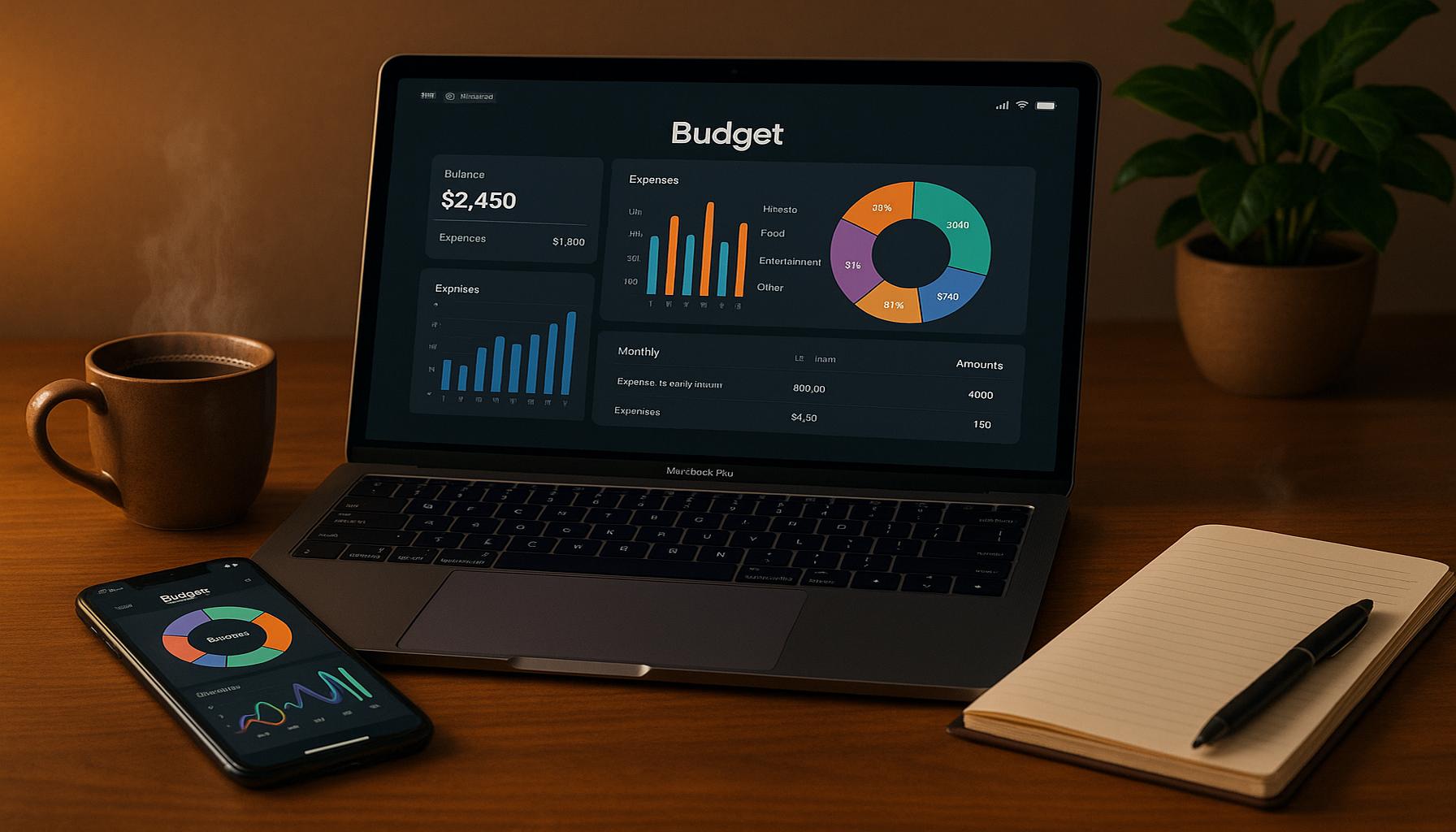
In the digital age, various financial tools and technologies are at your disposal to streamline budgeting and enhance awareness of your spending habits. Utilizing apps can help automate your budget tracking, expense categorization, and overall financial management.
- Budgeting Apps: Tools like Mint, YNAB (You Need A Budget), or EveryDollar allow you to set budget categories and track your spending in real-time, helping you remain accountable for your financial goals.
- Investment Platforms: Services like Robinhood or Acorns simplify the investment process, letting you start with small amounts and gradually increase your investments without feeling overwhelmed.
- Financial Education Platforms: Websites and apps such as Khan Academy or Coursera offer courses on personal finance, investing, and budgeting, equipping you with vital knowledge to navigate your financial future.
By enhancing your financial acumen through goal setting, strategic investment, and leveraging technology, you lay the groundwork for a sustainable budgeting strategy that not only addresses immediate concerns but prepares you for long-term success. As you develop these skills and habits, you position yourself for greater financial resilience, supporting your journey through economic uncertainty.
DISCOVER MORE: Click here to learn how to build passive income
Conclusion
In summary, effectively navigating economic uncertainty necessitates a comprehensive and well-structured approach to personal budgeting that prioritizes resilience and adaptability. By prioritizing financial education, you empower yourself with crucial knowledge that enables informed decision-making aligned with your long-term goals. Financial education can take many forms, from online courses to local workshops, enabling you to grasp important concepts such as compound interest, credit management, and investment diversification.
Setting distinct, actionable financial objectives greatly enhances your focus and keeps you motivated to adhere to your budget. For instance, establishing goals like saving for a down payment on a home or building an emergency fund can provide a roadmap for your financial decisions. This allows you not only to allocate resources effectively but also to experience a sense of achievement as you reach each milestone.
Moreover, strategic investments can play a pivotal role in safeguarding your wealth and fostering growth, even amidst volatile markets. Exploring various investment vehicles such as stocks, bonds, mutual funds, and real estate can yield significant returns when approached wisely. Diversifying your portfolio may help reduce risk while also tapping into potential growth sectors, such as technology or renewable energy.
In the digital age, the integration of cutting-edge financial tools and technology significantly simplifies the budgeting process, facilitating real-time tracking and management of your finances. Mobile apps like Mint or YNAB (You Need A Budget) provide insights into your spending habits, helping you identify areas for improvement. These digital aids not only streamline budgeting but also help cultivate sustainable financial habits—essential for long-term stability.
Ultimately, the strategies outlined throughout this discussion serve as a compass for your financial journey. By gaining a deeper understanding of your finances, establishing clear goals, making informed choices about investments, and leveraging modern technologies, you create a robust framework that equips you to withstand economic fluctuations. Keep in mind that the decisions made today will resonate through your financial future. Embrace this journey to achieve not just a balanced budget but lasting financial stability and growth, regardless of the economic challenges you may face ahead.