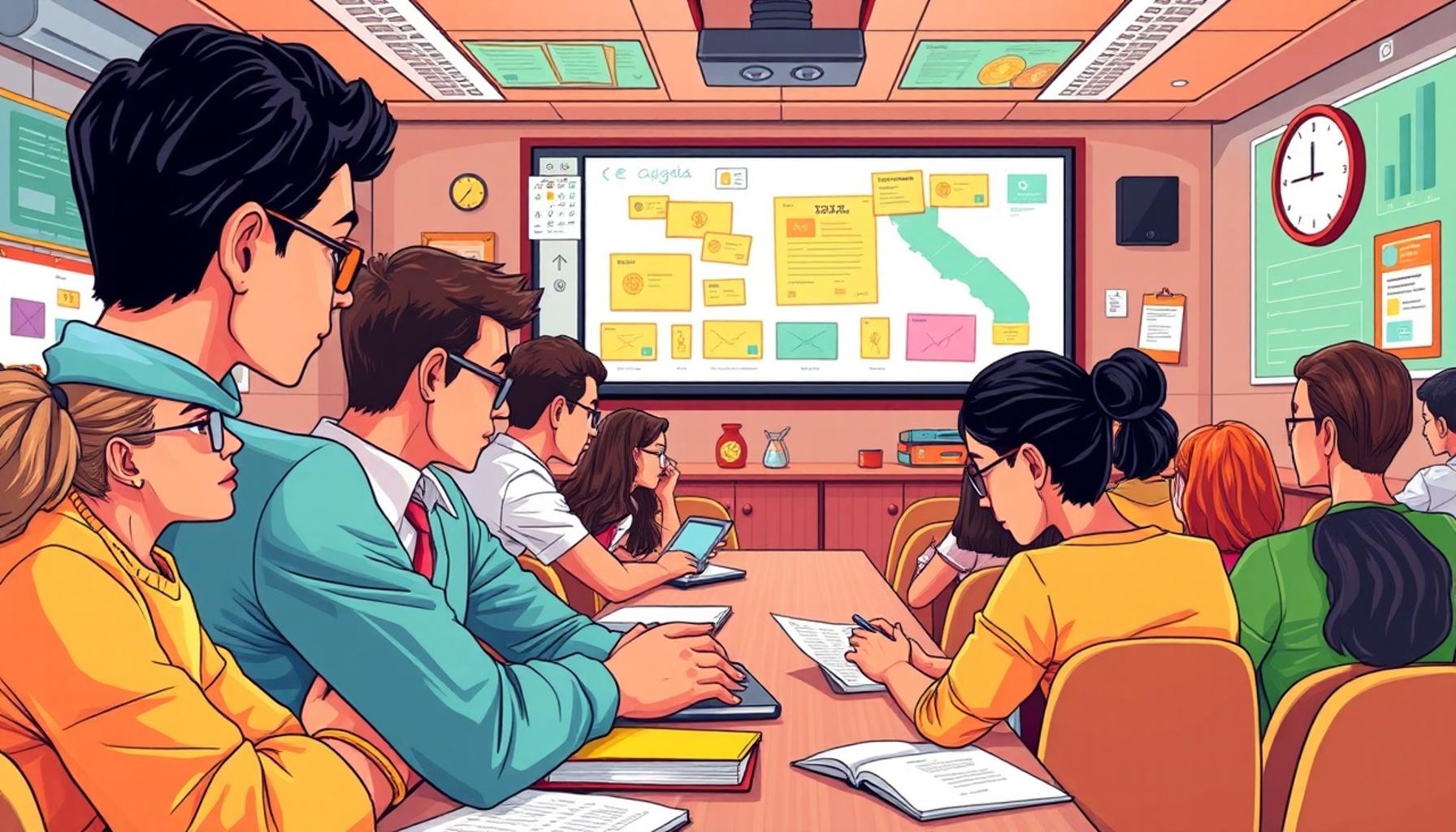
Innovation in Education: The Role of Virtual Technologies in Distance Learning

Understanding the Transformation in Education
The landscape of education is currently experiencing a significant evolution, primarily influenced by the widespread adoption of virtual technologies. These innovations are not merely trends; they are redefining traditional learning paradigms and transforming how students interact with content, instructors, and each other. Recognizing the intricacies of this transformation is crucial for both educators and learners alike.
The integration of virtual technologies fosters several powerful enhancements in educational experiences. One of the most notable benefits is accessibility. With the ability to learn from virtually anywhere, students are able to break free from geographical limitations that previously restricted their educational opportunities. For example, a student in a rural area of the Midwest can now attend a masterclass led by a renowned professor from a prestigious university in New York City without needing to travel or relocate.
Interactivity is another significant advantage offered by virtual technologies. Platforms that feature video conferencing and interactive tools allow for real-time communication, mirroring the dynamics of a physical classroom. Students can engage in discussions, ask questions, and collaborate on group projects, all from their own homes. For instance, using platforms like Zoom or Microsoft Teams, students can participate in live lectures, engage in breakout sessions for smaller group interactions, or even participate in live Q&A sessions, enhancing their understanding of course material.
Another remarkable facet of this transformation is the capacity for personalization. Today’s educational technologies allow for learning experiences that cater to individual needs and preferences. Adaptive learning platforms can adjust the difficulty of assignments based on a student’s performance, ensuring that learners are appropriately challenged without feeling overwhelmed. A good example is Khan Academy, which personalizes math problems for students based on their assessment scores and engagement levels.
Moreover, the incorporation of advanced technologies such as virtual reality (VR), augmented reality (AR), and artificial intelligence (AI) is making education more immersive and engaging. VR technology enables students to experience history by visiting a virtual ancient city or conducting science experiments in a simulated lab environment, providing hands-on learning experiences that traditional methods cannot. On the other hand, AI tools can streamline the grading process and offer instant feedback on assignments, allowing educators to spend more time focusing on instruction rather than administrative tasks.
As we explore the progression of education through these virtual technologies, it becomes clear that these advancements are not only enhancing learning outcomes but also preparing students with crucial skills for the future. Skills such as digital literacy, collaboration in virtual teams, and critical thinking are increasingly essential in today’s job market. By adapting to these changes, we can ensure that both educators and students are equipped to thrive in this new educational landscape.
DISCOVER MORE: Click here for tips on choosing affordable life insurance
The Advantages of Virtual Technologies in Education
As we navigate the digital age, the emergence of virtual technologies in education presents a wealth of opportunities that extend far beyond mere convenience. The shift towards distance learning is driven by the need for effective, engaging, and inclusive educational models. In understanding the profound impact these technologies have on learning, it is essential to explore their advantages comprehensively.
One of the most significant advantages of virtual technologies is their ability to provide a flexible learning environment. Traditional educational settings often impose rigid schedules that can hinder students’ ability to balance their educational pursuits with other responsibilities, such as work or family commitments. Virtual classrooms break down these barriers, allowing students to choose when and where they study. For instance, a working professional can access online courses in the evening after completing their job, making it easier for them to pursue further qualifications without the stress of conflicting schedules.
Furthermore, virtual technologies support a diverse range of learning styles. Each student has unique preferences for how they absorb information—some may excel in a visual format, while others may prefer auditory or kinesthetic methods. Online platforms can cater to these differences by integrating multiple forms of content delivery, including videos, podcasts, and interactive quizzes. This customization ensures that all learners can engage with the material in a way that resonates with them. Here are a few examples of how various technologies support diverse learning styles:
- Visual Learners: Interactive infographics and video tutorials allow visual learners to comprehend complex concepts easily.
- Auditory Learners: Podcasts and recorded lectures provide auditory learners the opportunity to absorb information through listening.
- Kinesthetic Learners: Virtual simulations and interactive tasks engage kinesthetic learners by allowing them to experiment and explore scenarios practically.
Moreover, the use of collaborative tools fosters a sense of community among students, even in a virtual setting. Platforms such as Google Classroom and Slack enable students to work together on projects, share ideas, and build friendships, which are crucial elements of the learning process. For example, a group of students can collaboratively create a presentation using shared documents, allowing them to brainstorm ideas and provide feedback in real-time. This interaction mimics the in-person classroom environment, nurturing teamwork and social skills that are essential in both academic and professional settings.
Finally, the reliance on virtual technologies equips students with critical digital competencies that are increasingly sought after in the workforce. Proficiency in using various digital tools, navigating online communication platforms, and finding credible information on the internet are all essential skills that modern learners need to succeed. Employers today value candidates who can seamlessly adapt to digital environments, making the experience gained from virtual learning highly relevant in the job market.
In conclusion, the strategic integration of virtual technologies in distance learning is creating a more accessible and inclusive educational landscape. By harnessing these innovations, educators can provide students with flexible learning options, tailor their teaching methods to various learning styles, promote collaboration, and equip them with the digital skills necessary for future success. As we progress, it is vital for both educators and institutions to embrace these changes and continue to invest in innovative approaches to education.
DISCOVER MORE: Click here to uncover how cashback can boost your savings
The Challenges and Considerations of Virtual Learning Technologies
While the advantages of virtual technologies in education are compelling, it is equally essential to address the challenges and considerations that accompany their adoption in distance learning. Recognizing these hurdles allows educators and institutions to implement strategies that enhance the learning experience while mitigating potential downsides.
One of the most pressing challenges is the issue of access and equity. Not all students have equal access to high-speed internet or modern devices necessary for effective online learning. In the United States, over 14 million students reportedly lack adequate internet access, particularly in rural areas. This digital divide can significantly affect student performance and engagement, creating disparities in educational outcomes. To combat this issue, educational institutions can explore partnerships with local governments and organizations to provide resources such as subsidized internet access or loaner devices that ensure all students can participate fully in online courses.
Furthermore, self-discipline and motivation are critical factors in the success of online learners. Without the structured environment of a traditional classroom, some students may struggle to stay motivated or manage their time effectively. The absence of direct supervision can result in procrastination and disengagement. Educators can help mitigate this challenge by incorporating structured schedules and clear deadlines, as well as providing engaging content that helps maintain student interest. Interactive elements like gamified learning experiences can also promote motivation by rewarding students for their progress and achievements.
Another significant consideration is the quality of online instruction. The transition from face-to-face teaching to virtual classrooms can be jarring for both educators and students. It requires educators to adapt their teaching methods and develop new skills in digital pedagogy. Institutions must invest in professional development for faculty and staff, equipping them with the necessary tools and training to deliver high-quality online education. This not only benefits students but also enriches faculty engagement and effectiveness.
Additionally, the reliance on technology raises questions about student privacy and security. With online learning platforms collecting personal data, institutions must ensure they are compliant with laws like the Family Educational Rights and Privacy Act (FERPA) and implement robust cybersecurity measures to protect student information. Educators can also educate students about online safety and the importance of responsible digital citizenship to promote a secure online learning environment.
Moreover, maintaining personal connections in a virtual setting can be challenging. Students may feel isolated and disconnected from their peers and instructors, impacting their overall learning experience. To foster a sense of belonging, educators can implement social interaction opportunities, such as virtual study groups or synchronous discussions that promote engagement and build rapport. Regular check-ins and personalized feedback can also enhance relationships between students and instructors, making the remote learning experience more holistic.
In summary, while virtual technologies play a crucial role in modern education, it is vital to recognize and address the inherent challenges to maximize their potential. By focusing on issues such as access, motivation, instructional quality, privacy, and social connections, educators can create a more effective and inclusive distance learning environment that benefits all students. Through innovative strategies and dedicated support, the future of education can be tailored to meet the diverse needs of learners in a rapidly changing digital landscape.
DISCOVER MORE: Click here to learn how to boost your income!
Conclusion
As we navigate an increasingly digital world, innovation in education through virtual technologies has emerged as a transformative force for distance learning. These technologies not only enhance access to education but also break geographical barriers, providing students with diverse opportunities to engage with learning material and interact with peers and educators worldwide. However, it is essential to approach this shift with a thoughtful mindset, recognizing both its potential and its inherent challenges.
The issues of access and equity must be prioritized, ensuring that all students, regardless of their socio-economic status or location, can participate meaningfully in online education. By investing in resources to bridge the digital divide, we can create a more inclusive environment that fosters equal learning opportunities for everyone. Moreover, recognizing the importance of motivation and self-discipline within the online learning framework highlights the need for educators to adopt engaging and structured approaches that keep students actively involved.
Furthermore, to maintain the quality of instruction, ongoing professional development for educators is crucial. As teachers adapt their methods to fit virtual platforms, they must be equipped with the skills necessary to deliver effective, high-quality education. To address concerns regarding privacy and security, institutions must enforce stringent measures that protect student data and educate learners on responsible digital behavior. Lastly, fostering a sense of community and connection will be vital in combating feelings of isolation, promoting personal and academic growth.
In conclusion, the integration of virtual technologies in distance learning requires a balanced approach that emphasizes innovation while addressing the multifaceted challenges involved. With commitment and collaboration, we can harness the power of these educational tools to better prepare future generations, ensuring that all students thrive in their learning journey.

Linda Carter
Linda Carter is a writer and expert known for producing clear, engaging, and easy-to-understand content. With solid experience guiding people in achieving their goals, she shares valuable insights and practical guidance. Her mission is to support readers in making informed choices and achieving significant progress.