Virtual Innovation in Education: The Revolution of Digital Classrooms
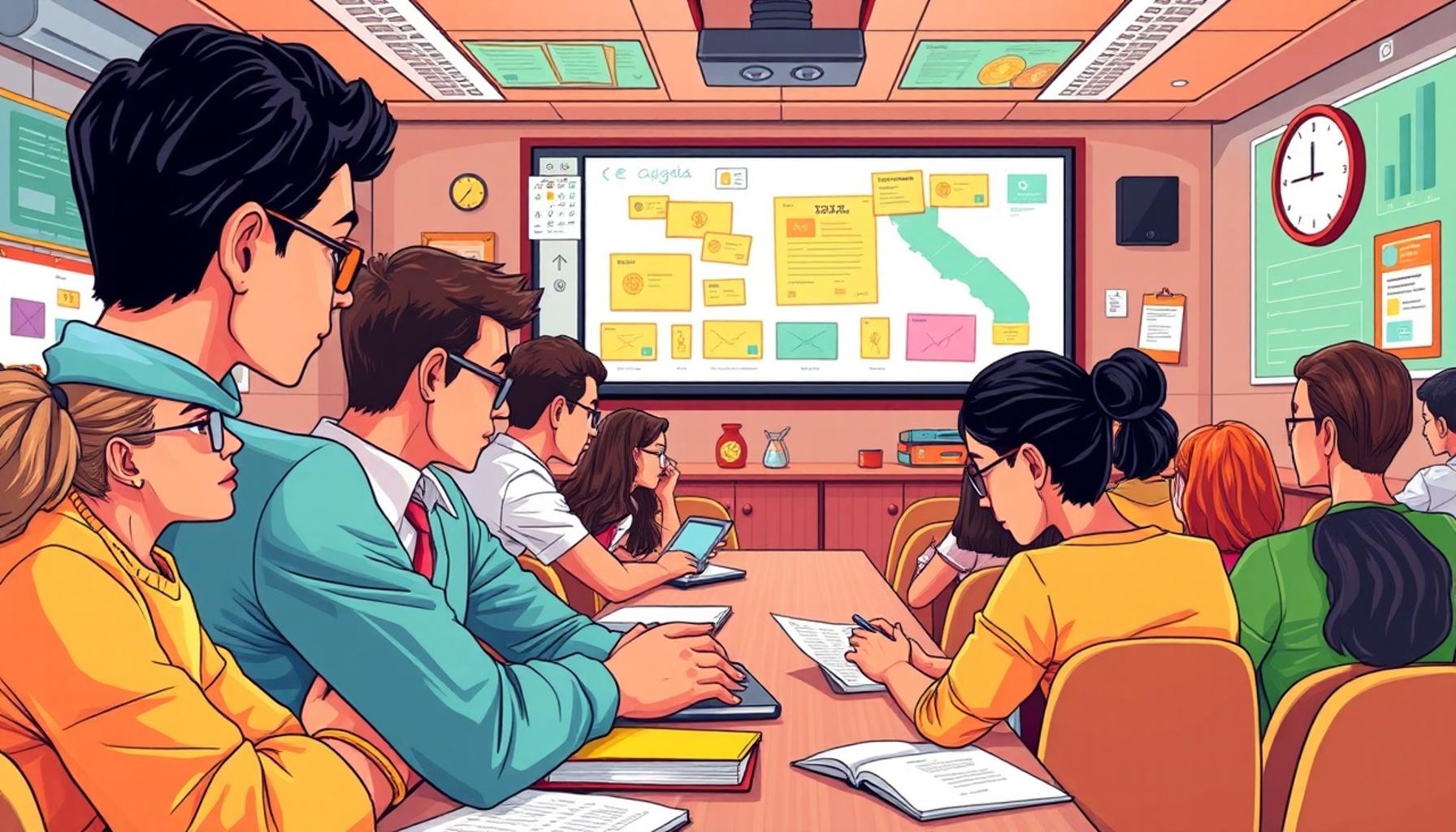
The Transformation of Learning
As we look toward a future shaped by virtual innovation, the educational landscape is undergoing profound changes that offer exciting opportunities for both learners and educators. Traditional classrooms, once the sole bastion of academic growth, are now complemented—and in some cases, enhanced—by a myriad of digital tools and platforms. This evolution not only modifies the way knowledge is imparted but also opens the doors to a more engaging and versatile learning experience.
One of the most significant advantages of digital classrooms is increased accessibility. No longer are students restricted by geographic location or mobility issues. For instance, a student in a rural area of Montana can attend a virtual class featuring a guest speaker from a prestigious university in California, gaining access to resources and expertise that would have been previously unavailable to them. This democratization of education ensures that all learners, regardless of their circumstances, have the opportunity to thrive academically.
Personalized learning is another critical benefit stemming from technology integration in education. With sophisticated learning management systems and educational apps, educators can tailor lessons to accommodate different learning styles and paces. For example, platforms like Khan Academy offer customized study resources that allow students to progress at their own rate, ensuring that no one falls behind. This individual approach can drastically improve retention and understanding, making learning a more effective process.
The potential for collaborative opportunities is also greatly enhanced in a digital environment. Tools such as Google Classroom and Zoom facilitate real-time collaboration among students, enabling them to work on group projects and share ideas from the comfort of their homes. This kind of teamwork not only enriches learning experiences but also prepares students for the increasingly collaborative nature of the workplace, where remote teamwork is becoming the norm.
In addition to these advantages, schools are adopting groundbreaking technologies to further enrich the learning experience. For example, Virtual Reality (VR)</strong) allows students to embark on incredible field trips without leaving their classrooms. Imagine a history lesson where students can virtually visit ancient Rome or walk through the Amazon rainforest, providing an immersive experience that textbooks simply cannot match.
Meanwhile, interactive whiteboards facilitate dynamic and engaging lessons that encourage active student participation. In classrooms across the country, educators use these tools to visualize concepts through graphs and videos, allowing students to engage with the material in a hands-on way.
This shift toward a more virtual education environment symbolizes an ongoing commitment to enhancing educational experiences for all students. It represents a broader movement to create a more inclusive and effective learning environment, where diverse tools and approaches cater to the varying needs of learners. By embracing these innovations, we are not only preparing students for academic success but also equipping them with the skills necessary to navigate a technology-driven world. Join us on this journey as we uncover the transformative potential of virtual education and its ability to redefine learning for the better.
DISCOVER MORE: Click here to learn about the power of compound interest
Unlocking New Learning Modalities
The rise of digital classrooms is ushering in an era where education is more adaptable and inclusive than ever before. It signifies a shift in how both teachers and students interact with the curriculum and each other. With the right tools and approaches, virtual innovation is allowing for diverse learning modalities that cater to varying preferences and needs.
One vital aspect of this evolution is the use of asynchronous learning. Unlike traditional classrooms, which often rely on a fixed schedule, virtual classrooms can offer students the flexibility to learn at their own pace. Students can access recorded lectures, discussion boards, and various educational resources when it suits them best. This structure enables learners who may work better during non-conventional hours—such as adult learners balancing jobs and studies—to engage with educational material without conflicting time constraints. As a result, students are less likely to feel overwhelmed and more likely to integrate learning into their daily lives.
In addition to asynchronicity, gamification is becoming a popular trend in digital learning environments. Educators are turning lessons into interactive games that encourage participation and make challenging subjects more approachable. For instance, platforms like Kahoot! and Quizlet allow teachers to create quizzes that students can participate in using their devices, turning assessment into an engaging competition rather than a stressful task. By incorporating game-like elements, students are more motivated to learn and retain information, as the process feels less like traditional studying and more like entertainment.
Moreover, the integration of data analytics into educational platforms provides educators with powerful insights into student performance. Teachers can monitor progress in real time to identify strengths and weaknesses among their students, allowing for more targeted instruction. For example, if a particular student struggles with mathematics, the analytics can highlight this, enabling the teacher to offer additional resources or personalized support. This data-driven approach not only reinforces accountability but also fosters a more proactive teaching method that focuses on meeting each student’s unique needs.
To enhance the effectiveness of digital classrooms, educators can also incorporate multimedia resources into their teaching strategies. Various formats such as videos, podcasts, and interactive simulations help cater to different learning styles. For visual learners, videos can elucidate complex concepts, while auditory learners may benefit from listening to podcasts. Meanwhile, hands-on simulations, such as those found in science labs or engineering courses, provide practical experiences that further enhance understanding. The combination of these multimedia resources enriches the learning experience and addresses the diverse learning preferences found in any classroom.
In summary, the transition to virtual innovation in education opens a realm of possibilities for all students. By embracing asynchronous learning, gamification, data analytics, and multimedia resources, educators can create an enriching environment that fosters engagement, personalization, and deeper understanding of the material. These advancements are redefining the role of both teachers and students, paving the way for a collaborative and dynamic educational experience that is tailored to meet the unique needs of each learner.
LEARN MORE: Click here for insights on AI and data protection
Bridging Gaps through Collaboration and Connectivity
In addition to diversifying learning modalities, virtual innovation in education creates pathways for enhanced collaboration among students and educators. Digital classrooms foster a global learning environment where students can collaborate with peers from various backgrounds and cultures. These connections transcend geographical boundaries, allowing students to engage in group projects that reflect real-world scenarios. For instance, platforms such as Google Classroom or Microsoft Teams enable students to work together on assignments through shared documents, facilitating collaboration and teamwork, which are essential skills in today’s workforce.
Furthermore, the use of discussion forums and virtual study groups offers environments conducive to sharing ideas and resources. Students can engage in meaningful conversations about subjects they are studying, ask questions, and provide insights to one another. This peer-to-peer interaction enhances understanding and cultivates a sense of community among learners. By participating in online discussions, shy or introverted students, who may find it challenging to speak up in a traditional classroom setting, can express their thoughts more freely, promoting inclusivity.
The Role of Virtual Reality
One of the most exciting aspects of virtual innovation in education is the integration of virtual reality (VR). VR technology allows students to immerse themselves in interactive learning experiences that would otherwise be impossible in a conventional classroom. For example, history students can take a virtual tour of ancient Rome, walking through its streets and interacting with historical figures. Science students can explore the human body from the inside, observing how organs function in real time. Such immersive experiences deepen comprehension and make learning more memorable.
The impact of VR extends beyond just engagement; it can also enhance retention rates. Research has shown that experiences using immersive technology can significantly boost information recall, as students are more likely to remember their virtual experiences compared to textbook learning. Schools are beginning to invest in VR tools to enrich their curricula, which signifies a step towards revolutionizing how subjects are taught.
Expanding Accessibility with Technology
Another vital benefit of digital classrooms is the expansion of educational accessibility. Virtual innovation facilitates learning opportunities for individuals with disabilities who may find traditional classrooms challenging. For instance, tools such as screen readers, speech-to-text software, and customizable lesson formats ensure that students with visual impairments, learning disabilities, or other challenges can engage with content more effectively. Additionally, platforms that provide closed captioning for videos cater to the needs of hearing-impaired students, ensuring no one is left behind.
This active commitment to accessibility goes hand in hand with the necessity of addressing the digital divide. Schools across the country are recognizing the importance of providing the necessary technology and internet access to all students, regardless of socioeconomic status. Initiatives such as distributing laptops or tablets and establishing free Wi-Fi hotspots in underserved areas are becoming increasingly common, ensuring that every learner has the tools needed to thrive in a digital classroom environment.
Ultimately, the integration of collaboration tools, virtual reality experiences, and enhanced accessibility highlights the multifaceted nature of virtual innovation in education. These advancements not only enrich the learning experience but also reflect a growing commitment to creating an inclusive and engaging educational landscape that meets the diverse needs of students. The future of education lies in its ability to adapt and innovate, creating a space where every learner can succeed, regardless of their circumstances or limitations.
DISCOVER MORE: Click here for insights on financial products during a crisis</p
Conclusion: Embracing the Future of Learning
As we stand witness to the transformation of education through virtual innovation, it is clear that digital classrooms are not just a temporary shift but a fundamental revolution in how we approach learning. The advancements discussed throughout this article, such as enhanced collaboration, immersive virtual reality experiences, and improved accessibility, illustrate a comprehensive strategy to address the diverse needs of today’s learners.
The ability to connect students from across the globe fosters a rich learning environment that promotes cultural exchange and collaboration. Ultimately, these interactions prepare students to thrive in an increasingly interconnected world. In conjunction, the integration of tools like virtual reality not only captivates students’ imaginations but also significantly enhances their understanding and retention of complex concepts, making learning both engaging and effective.
Furthermore, the commitment to accessibility ensures that every student, regardless of their background or capabilities, has the opportunity to succeed. This is particularly crucial in a time when technology plays such a pivotal role in education. By equipping students with the necessary resources and skills to navigate the digital landscape, we are creating a future where learning is within reach for all.
In summation, the ongoing advancements in virtual innovation will continue to shape the educational landscape profoundly. As educators, policymakers, and communities embrace these changes, we must strive to ensure that every learner is empowered to excel in this new era of education. Ultimately, the goal is to foster an inclusive and dynamic educational environment that ignites curiosity, nurtures talent, and prepares students for the challenges of tomorrow.

Linda Carter
Linda Carter is a writer and expert known for producing clear, engaging, and easy-to-understand content. With solid experience guiding people in achieving their goals, she shares valuable insights and practical guidance. Her mission is to support readers in making informed choices and achieving significant progress.