The Influence of Artificial Intelligence on the Digital Transformation of Traditional Industries
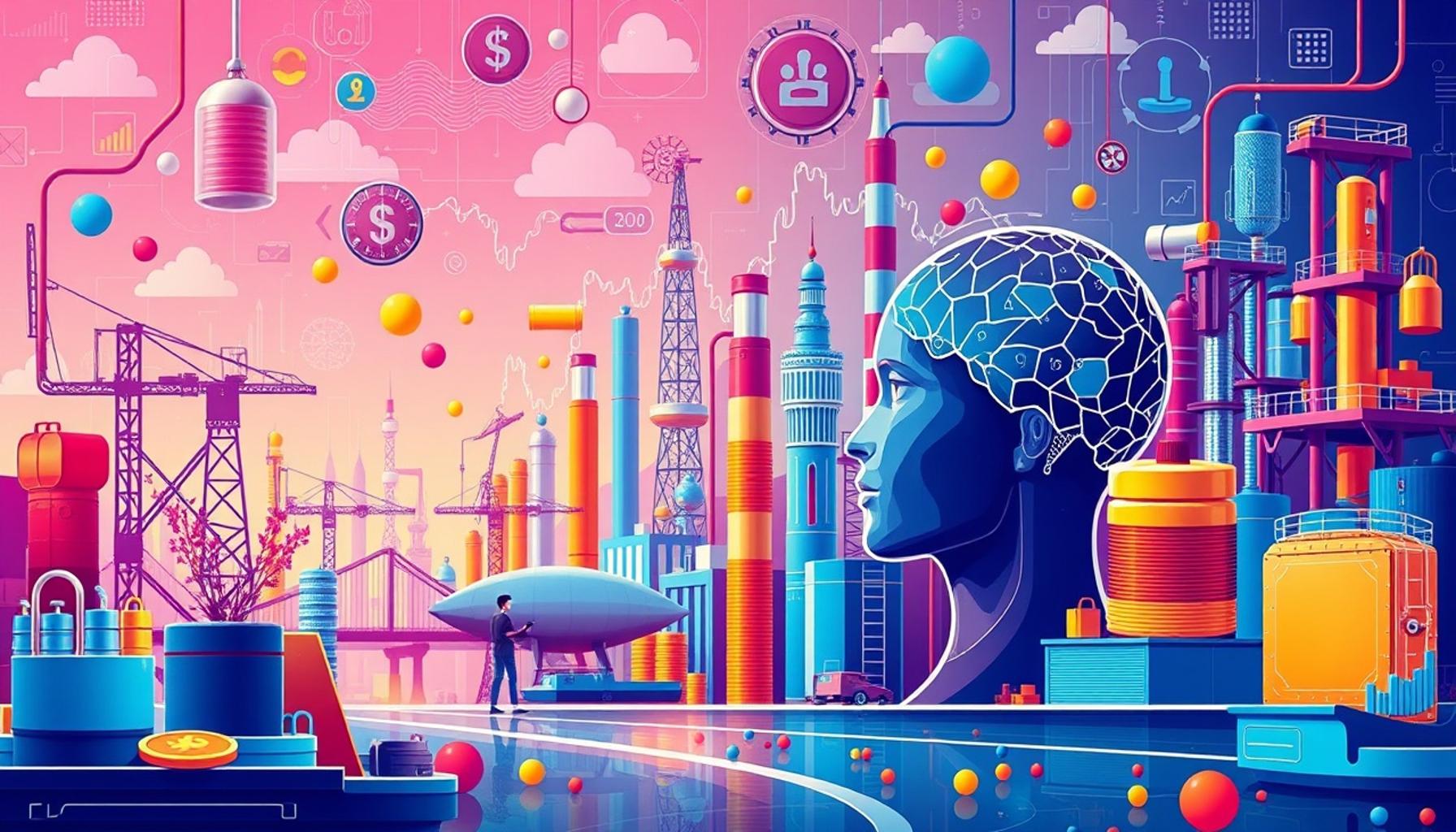
Understanding AI’s Role in Traditional Industries
The rise of Artificial Intelligence (AI) marks a pivotal moment in the evolution of traditional industries. This technology isn’t merely about automation; it’s about redefining how organizations approach processes, strategy, and consumer engagement. With the digital landscape continuously shifting, adapting to these changes has become essential for competitiveness in the market.
Industries are finding diverse applications for AI, significantly enhancing operational capabilities. For example:
- Manufacturing: In manufacturing, AI-powered robotics are not only increasing production speed but also improving quality control. These systems can detect anomalies in real-time, drastically reducing waste. Companies like Tesla use AI to optimize assembly lines, allowing them to produce vehicles faster while maintaining high-quality standards.
- Healthcare: The healthcare industry is leveraging predictive analytics to enhance patient outcomes. AI algorithms can analyze vast amounts of patient data to predict health risks before they arise. For instance, IBM’s Watson can assess cancer patients’ records and recommend tailored treatment plans, improving recovery chances.
- Finance: In finance, machine learning algorithms are vital for identifying potential fraud. For example, banks use AI to monitor transaction patterns and flag unusual activities for further investigation, which traditionally required substantial manpower. This results in quicker responses to fraud attempts and reduced financial losses.
- Retail: AI significantly improves the shopping experience by leveraging personalization engines. Retail giants like Amazon analyze customer behavior and preferences to offer tailored recommendations, enhancing customer satisfaction and increasing sales conversion rates.
The advantages of integrating AI into these industries are multifaceted:
- Increased Efficiency: By automating repetitive tasks, organizations can allocate human resources to more strategic roles, fostering innovation and creativity. Employees spend less time on mundane activities and more time brainstorming and implementing new ideas.
- Data-Driven Decisions: AI empowers businesses to make better decisions by uncovering insights from data that might otherwise go unnoticed. This capability allows companies to anticipate market trends and customer needs, leading to proactive strategies rather than reactive moves.
- Enhanced Customer Experiences: With AI, businesses can gain a deeper understanding of their customers. Chatbots, for instance, provide instant responses to customer inquiries, improving engagement and satisfaction levels. This level of service fosters brand loyalty and encourages repeat business.
As we delve deeper into the implications of AI for these various sectors, it becomes apparent that understanding this technology’s influence is crucial for businesses that want to remain relevant and successful in the evolving marketplace. Embracing AI not only paves the way for efficiency and innovation but also sets the foundation for sustainable growth and enhanced consumer relations in an ever-competitive landscape.
DISCOVER MORE: Click here to learn about the startups revolutionizing online commerce
Transforming Operations Through AI Integration
As organizations within traditional industries begin to embrace the wave of digital transformation, AI stands out as a critical component of this journey. The integration of AI into daily operations is not just a trend; it is becoming a necessity for businesses aiming to enhance their productivity and ensure long-term survival. Let’s explore how AI-driven technologies are reshaping operational paradigms across various sectors.
AI in Supply Chain Management
One of the most profound impacts of AI can be seen in supply chain management. Companies are utilizing AI to optimize logistics, forecast demand, and streamline inventory management. For instance, retailers such as Walmart are implementing AI algorithms that analyze customer purchasing trends and local events to predict product demand accurately. This foresight helps reduce stock shortages and excess inventory, resulting in significant cost savings.
- Demand Forecasting: AI can process vast datasets much faster than human analysts. By analyzing factors like seasonality, market trends, and economic indicators, AI can predict future demand with remarkable accuracy, enabling businesses to order inventory accordingly.
- Route Optimization: Transportation companies utilize AI to determine the most efficient routes for delivering goods. Companies like UPS employ AI systems that analyze traffic patterns and weather conditions, ensuring timely deliveries while minimizing fuel consumption.
- Inventory Management: AI systems can automatically track inventory levels and reorder supplies when stock is low. This level of automation not only saves time but also reduces the risk of human error in stock management.
AI Enhancing Human Resource Practices
In the realm of human resources, AI is reshaping how companies recruit, train, and retain employees. Traditional methods of recruitment often rely on human judgment, which can be biased and inconsistent. With AI-driven tools, organizations can streamline the selection process and enhance candidate experience.
- Resume Screening: AI-powered applicant tracking systems can sift through thousands of resumes, identifying candidates that best match job requirements according to specific criteria, such as skills and experience.
- Employee Engagement: AI enables continuous feedback through tools that analyze employee sentiment, helping organizations proactively address workplace issues before they escalate.
- Training and Development: Customized AI learning platforms can tailor training programs based on individual employee performance, promoting an adaptive learning environment that caters to each worker’s needs.
Through these examples, it becomes evident that AI’s potential extends beyond mere operational enhancements. It equips traditional industries with the tools to respond agilely to market changes, improve workforce efficiency, and foster innovation. As businesses further incorporate AI into their operations, they are not just adapting but transforming into more agile, data-driven organizations ready to tackle the future.
DISCOVER MORE: Click here for details on applying for the American Express Gold Card
AI-Driven Customer Engagement and Personalization
Another significant area where AI is making waves in traditional industries is in customer engagement and personalization. In an era where consumers are inundated with choices, businesses must stand out by creating tailored experiences. AI technologies enable companies to understand consumer behavior better and personalize interactions in real-time, driving loyalty and enhancing the customer journey.
Intelligent Customer Service Solutions
AI-powered customer service tools are revolutionizing how businesses interact with their clients. Chatbots, for instance, are now commonplace on websites and mobile applications. They can effectively handle a wide range of inquiries and provide instant responses, thereby reducing wait times. Major companies like Sephora utilize chatbots not only to answer questions but to provide product recommendations based on customer preferences.
- 24/7 Availability: AI chatbots operate around the clock, ensuring that customers receive support whenever they need it, which enhances overall customer satisfaction.
- Personalized Responses: By analyzing previous interactions and purchase history, chatbots can deliver tailored responses that make the customer feel valued and understood.
- Efficient Issue Resolution: These AI tools can quickly identify common issues and offer predefined solutions, allowing human agents to focus on more complex problems.
Data-Driven Marketing Strategies
AI’s analytical capabilities also pave the way for sophisticated marketing strategies that rely on data-driven insights. Traditional marketing approaches often employed broad tactics that did not resonate with specific audiences. However, with AI, businesses can segment their audience and create highly targeted marketing campaigns.
- Behavioral Analysis: AI algorithms can analyze online behavior, such as browsing patterns and purchase history, enabling companies to segment their audience into specific personas and deliver personalized marketing messages.
- Predictive Analytics: AI tools can forecast future buying behaviors based on historical data. For example, Amazon uses predictive analytics to suggest products a customer is likely to purchase based on their past shopping habits.
- Dynamic Pricing: Companies are leveraging AI to implement dynamic pricing models that adjust prices in real-time based on demand, competitor pricing, and consumer behavior, maximizing revenue potential.
Enhancing Product Development and Customer Feedback
AI’s influence extends beyond marketing to encompass product development and gathering customer feedback. Traditional industries can use AI to identify trends from extensive market research and customer feedback analysis, thus streamlining the product development process.
- Trend Analysis: By monitoring social media and online reviews, AI can swiftly analyze customer sentiments toward existing products, guiding businesses on necessary adjustments or expansions in their product lines.
- Rapid Prototyping: AI technologies can facilitate rapid experimentation through simulations, allowing traditional industries to innovate quickly and efficiently in response to consumer demands.
- Feedback Loop Integration: AI systems enable seamless integration of customer feedback in real-time, allowing companies to make data-informed decisions more rapidly without lengthy review processes.
Incorporating AI into customer engagement and marketing not only helps organizations meet consumer expectations but also drives business growth. As traditional industries adapt to these advancements, the focus shifts from merely competing on price or quality to creating meaningful, personalized experiences that resonate with customers. This transformation demonstrates AI’s potential as a cornerstone for success in the digital age.
DISCOVER MORE: Click here to learn about data privacy trends
Conclusion
In summary, the integration of Artificial Intelligence into traditional industries is not merely a trend but a transformative force reshaping how businesses operate and interact with customers. From enhancing customer engagement through personalized experiences to streamlining product development and marketing efforts, AI has become a vital component of digital transformation.
As companies embrace AI technologies, they unlock opportunities to understand and meet the evolving needs of consumers more effectively. The use of intelligent customer service solutions, such as chatbots, illustrates how responsiveness and personalized service can significantly improve customer satisfaction. Additionally, employing data-driven marketing strategies allows businesses to target their audiences with precision, paving the way for increased engagement and loyalty.
Moreover, AI empowers organizations to analyze vast amounts of data quickly, leading to informed decision-making that accelerates innovation. By continuously integrating customer feedback and insights into product development, businesses can remain agile in a competitive marketplace. As a result, the focus transitions from simply offering products to creating meaningful experiences that resonate with consumers.
Ultimately, the influence of AI in traditional industries signifies a shift toward a more interconnected, data-driven era. Companies that leverage these technologies effectively will not only enhance their operational efficiencies but also position themselves for long-term success in the digital economy. As we move forward, it is crucial for organizations to embrace the potential of AI, paving the way for a future where adaptation and innovation are essential for survival and growth.

Linda Carter
Linda Carter is a writer and expert known for producing clear, engaging, and easy-to-understand content. With solid experience guiding people in achieving their goals, she shares valuable insights and practical guidance. Her mission is to support readers in making informed choices and achieving significant progress.