The Future of Virtual Experiences: How Augmented Reality is Transforming Entertainment
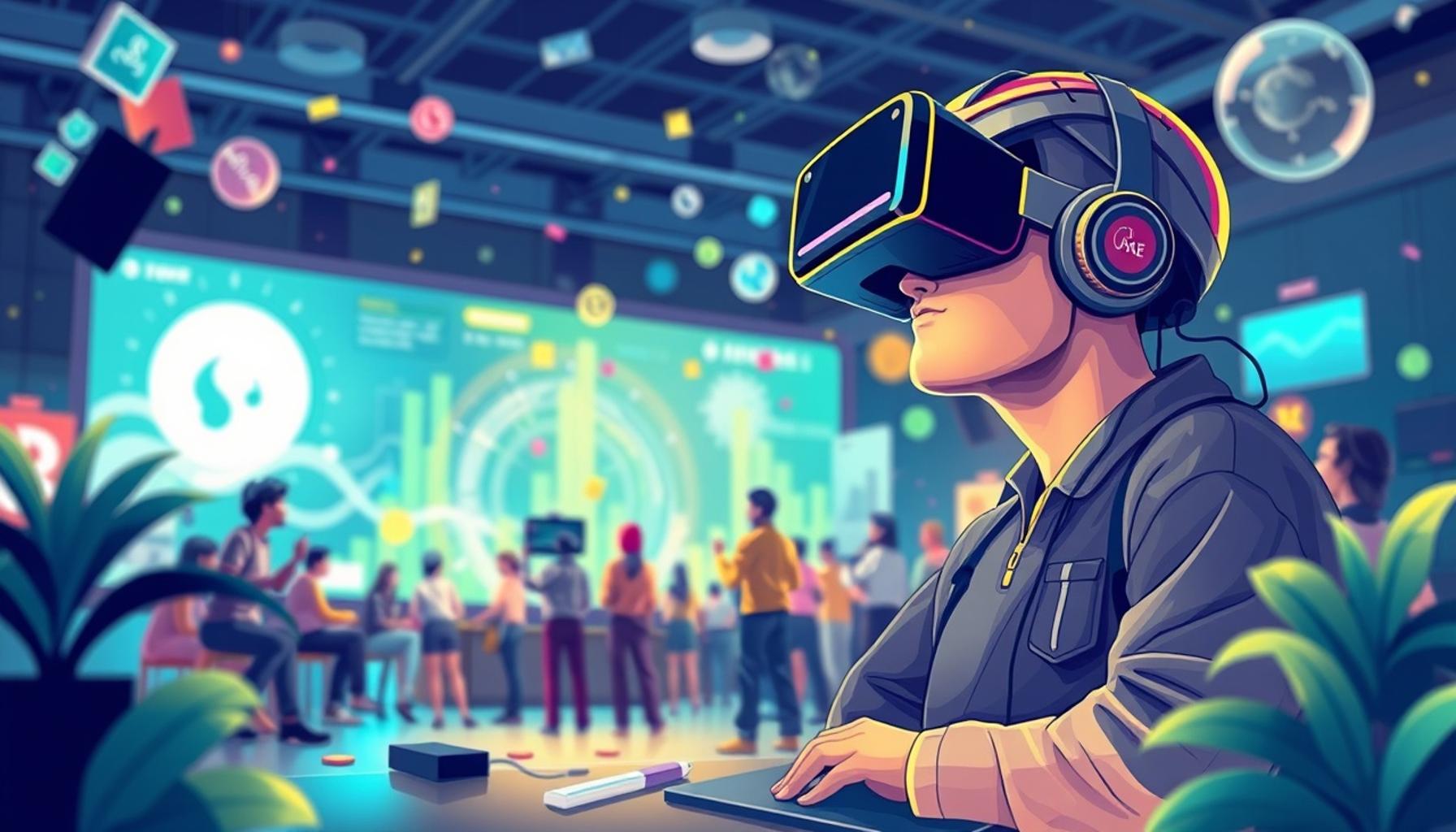
The Rise of Augmented Reality in Entertainment
As technology rapidly evolves, augmented reality (AR) is emerging as a transformative force in the entertainment industry. This innovative technology blends digital elements with the real world, offering unique experiences that were once the stuff of science fiction. AR combines physical and digital elements, allowing users to interact with their surroundings in exciting new ways.
Current Applications of Augmented Reality
Consider how AR has already begun to reshape our world:
- Gaming: A prime example of AR in gaming is Pokémon GO, which encouraged millions to venture outdoors to catch virtual creatures hidden within real-world locales. The game uses GPS and camera technology to superimpose Pokémon onto the physical world, leading players to explore parks and neighborhoods like never before. This blending of the digital and physical worlds not only elevated gaming but also sparked a global trend in outdoor activity and social interaction.
- Film and Television: In filmmaking, AR is changing how stories are presented. For instance, promotional campaigns for movies like Jurassic World leveraged AR technology to create interactive experiences where audiences could see dinosaurs roam in their own backyards using mobile devices. This interactive storytelling allows viewers to engage with narratives, making them feel part of the story rather than just bystanders.
- Live Events: Recently, live concerts and sporting events have begun to incorporate AR elements, enhancing fan experiences through immersive visuals. During half-time shows, for example, AR visuals can bring performers to life in ways that captivate audiences, while sports broadcasts might include real-time data overlays that enhance the viewing experience. Such innovations engage spectators and transform their perceptions of live events, fostering a sense of participation.
The Future of Augmented Reality in Entertainment
These examples highlight just a fraction of the possibilities AR has to offer. As more creators harness this technology, we can expect a future where entertainment is not just passive but deeply engaging and interactive. Imagine watching your favorite TV show and being able to interact with characters or influence storylines through AR-enabled apps, bringing a new layer of depth to storytelling.
As we look ahead, it is clear that AR will continue to blur the lines between digital and physical experiences. From educational apps that allow students to visualize complex subjects in 3D to theme parks incorporating AR into their attractions, the applications are limitless. Join us as we journey through the exciting realm of AR, where the experiences of tomorrow are just around the corner. The only limit is the imagination of the creators who will harness this technology to develop groundbreaking forms of entertainment.
DON’T MISS: Click here to learn how to safeguard your finances
Transformative Potential of Augmented Reality
The impact of AR on entertainment is only beginning to be realized, and it promises to revolutionize how we interact with various forms of media. As the technology continues to advance, we will see an increase in the development of immersive experiences that are tailored to individual preferences. With AR, traditional modes of entertainment can be transformed into interactive environments that captivate audiences, making them active participants in the narrative.
Augmented Reality in Video Games
In the realm of video gaming, AR is set to provide players with experiences that are not confined to screens. Beyond Pokémon GO, which brought the excitement of gaming into outdoor environments, innovation in AR technology aims to create even more engaging experiences. Imagine an immersive first-person shooter game where players can battle in their living rooms, with enemies popping up behind furniture or utilizing real-world obstacles as cover. This could redefine player engagement by merging the physical world seamlessly with the virtual combat zone.
Interactive Storytelling
Augmented reality’s effect on storytelling cannot be overstated. It provides the opportunity for stories to become dynamic, where audiences can influence outcomes through their decisions. For instance, an AR-enhanced film could allow viewers to choose alternate endings by scanning certain items in their homes or answering interactive prompts through an app. This not only adds depth to narratives but also increases viewer investment in the story itself. The audience’s roles transition from passive spectators to active participants, providing them with a chance to shape their entertainment experience.
AR in Theme Parks and Attractions
Theme parks are increasingly leveraging AR to create unforgettable experiences. Parks like Universal Studios are experimenting with AR-enhanced rides that provide a layer of storytelling to attractions. Imagine being on a roller coaster, where AR overlays bring characters to life and enhance the narrative of the ride, making each twist and turn even more thrilling. Guests are not merely experiencing the rides but are transported into fantastical worlds where they can interact with beloved characters in a way that traditional rides alone cannot offer.
Education and Beyond
Furthermore, the integration of AR can extend beyond entertainment. In educational contexts, AR has the potential to enhance learning by allowing students to visualize complex concepts in an engaging manner. For example, history lessons could incorporate AR to bring historical events to life, immersing students in interactive experiences that deepen understanding. As the boundaries of entertainment and education continue to merge, the applications of AR become even more profound.
As these examples illustrate, the future of augmented reality in entertainment is both exciting and limitless. The next wave of innovation promises to enhance the way we play, watch, and learn, creating experiences that inspire deeper connections between audiences and their favorite forms of entertainment.
DISCOVER MORE: Click here for the full guide
The Integration of Augmented Reality in Live Events
Augmented reality is poised to enhance live events and performances, offering audiences a unique way to connect with their favorite artists and entertainers. From concerts to theater productions, AR can provide interactive layers that enrich the experience for attendees. For example, during a live concert, fans may be able to use their smartphones or AR glasses to see animated visuals or additional content related to the performance, such as lyrics, artist backgrounds, or behind-the-scenes footage, right in front of them. This not only creates a more engaging atmosphere but also enables a deeper appreciation of the art being performed.
Virtual and Augmented Reality Sports Experiences
The sports industry is also ripe for AR innovation. Imagine being at a live sports event and having the option to view real-time statistics, player bios, or enhanced replays superimposed over the field using your device. Several leagues, including the NFL and NBA, have already begun exploring AR applications that provide additional insights for fans, enhancing their understanding and enjoyment of the game. Furthermore, AR can be utilized to create virtual environments for fans who cannot attend in person, allowing them to experience the event as if they were in the stadium.
Augmented Reality in Theme-Based Entertainment
Another exciting application of AR in entertainment is the creation of theme-based experiences. Some experimental theaters and galleries are integrating AR elements to bring art installations or stage performances to life. For example, visitors can use AR apps to access hidden layers of information about a painting or interact with characters in a live performance. This new context transforms ordinary experiences into something extraordinary, ensuring that audiences leave with a memorable, lasting impression.
Advertising and Brand Collaboration
The integration of AR technology in entertainment opens avenues for innovative advertising, where brands can collaborate with content creators to produce immersive experiences. For instance, a film could partner with a beverage company to create an AR mini-game that encourages viewers to engage with the movie’s brand. When viewers scan a promotional item associated with the film, they might unlock exclusive content or games that enhance their viewing experience. This form of interactive advertising not only draws in consumers but also builds brand loyalty in an engaging and interactive way.
Challenges and Considerations
While the potential of AR in entertainment is vast, it is also essential to recognize the challenges associated with its implementation. Issues such as access to advanced technology, the need for reliable internet connectivity, and concerns regarding user privacy must be addressed to ensure that AR experiences are inclusive and secure. Moreover, developers must consider the balance between enhancing experiences and potentially overwhelming users with excessive information. Effective design that incorporates AR should prioritize user experience, making interactions seamless and enjoyable rather than burdensome.
The future of entertainment is being shaped by augmented reality in ways that were previously limited to science fiction. As we continue to uncover the numerous applications of this technology, it is clear that the line separating our physical and digital worlds is blurring, opening up a new frontier for creativity and engagement in the entertainment sector.
DISCOVER MORE: Click here for essential tips on protecting your privacy
Conclusion
As we delve into the future of augmented reality in entertainment, it becomes evident that this technology is not merely enhancing existing experiences, but fundamentally transforming how we engage with various forms of art and recreation. The integration of AR in live events, from concerts to sports, allows audiences to connect with their favorite artists and teams in unprecedented ways. This interactive approach not only enriches the viewing experience but also offers personalized insights that were once unimaginable.
Moreover, the potential of augmented reality extends into thematic entertainment, where AR can breathe new life into performances and exhibitions. By facilitating dynamic interactions with digital content, AR can provide audiences with layers of context that deepen their understanding and enjoyment. In terms of advertising, collaborations between brands and content creators have the potential to foster engaging experiences that capture audience attention while simultaneously enhancing brand loyalty.
However, as we embrace these innovations, we must remain vigilant about the challenges that accompany them, such as accessibility, privacy, and the risk of overwhelming users. It is crucial for developers and creators to prioritize user experience and ensure that these new technologies enhance rather than detract from the enjoyment of entertainment.
In conclusion, the future of entertainment through augmented reality promises creative opportunities that will likely reshape our interactions with art, sports, and brands. As we embrace these advancements, we can look forward to a more immersive and engaging entertainment landscape that continues to captivate audiences in exciting ways.

Linda Carter
Linda Carter is a writer and expert known for producing clear, engaging, and easy-to-understand content. With solid experience guiding people in achieving their goals, she shares valuable insights and practical guidance. Her mission is to support readers in making informed choices and achieving significant progress.